Spanish

The Benefits of Family Volunteering for Early Childhood Development
Volunteering is a great way for children to give back to their communities while also developing valuable life skills. Age-appropriate volunteer experiences can help children practice communication, responsibility, and teamwork while nurturing compassion, self-confidence, and community engagement.
Family volunteering can also be a powerful way to spend quality time together away from digital distractions and busy daily routines. Whether you collect donations, help with community cleanup projects, or participate in fundraising events, there are many ways to make giving back a valuable part of family life.
Read on to explore more lifelong benefits of volunteering for young children and get tips on how to make family volunteering a positive experience for everyone.
Volunteering Teaches Children the Importance of Helping Others
Volunteering is a great opportunity for young children to see firsthand how their actions can have a positive effect on other people. By participating in service activities, kids can experience what it means to contribute, share, and care for people in their community.
Through volunteer experiences, children can begin learning important lessons about:
- Compassion: Volunteering can show young children that other families may not always have access to the things they need.
- Kindness: Practicing small, helpful actions shows children how easy it is to make a positive impact on someone else’s life.
- Generosity: Giving up free time, putting in the effort, or donating personal items can teach children that sharing creates real value for others.
- Resilience: Seeing how people come together to solve problems or support each other demonstrates that difficult situations can be improved through effort and teamwork.
- Gratitude: Experiencing different living situations or helping those in need can help children appreciate what they have and cultivate a willingness to share their time and resources with those in need.
- Community: Participating in local service can demonstrate to kids that everyone has a role to play in taking care of the people and places around them.
As caregivers, we can help reinforce these lessons by modeling helpful behavior and talking through these moments with our little ones. Over time, these conversations and experiences can help children view generosity as a natural part of daily life and develop a stronger understanding of the importance of helping others.
Volunteering Helps Children Develop a Stronger Sense of Community
Volunteering shows kids that they are part of something bigger than themselves. When young children help out in their neighborhood, “community” stops being just a word and becomes something they can actually see and feel.
Through family volunteering efforts, children can learn:
- Community Awareness: Volunteering introduces kids to people outside their usual circle of friends and family. They can see firsthand that everyone has their own unique story but a shared connection to the community they live in.
- Belonging: Through acts of community service, kids move from just living in a neighborhood to actively taking care of it. They can see that positive changes can happen when people step up to help.
- Social Connection: Volunteering brings kids together with people from different backgrounds, ages, and life experiences. They can make new friends, meet future mentors, and even become acquainted with prominent community leaders.
- Appreciation for Their Community: Volunteering can give young kids a greater appreciation for local parks, schools, organizations, and other shared spaces.
Volunteering can make the concept of community easier to understand through direct experience. When children have regular opportunities to participate positively in their communities, they can develop a lasting sense of pride, connection, and responsibility.
Volunteering Helps Kids Build Social Skills
Another big benefit of volunteering is the opportunity for children to interact with people outside of their immediate family and their usual day-to-day routines. These experiences can help kids practice important communication and social skills in real-world situations.
Through family volunteering, children can practice:
- Communicating: During volunteer activities, children interact with other children and adults, asking questions and expressing their thoughts or needs, helping them develop stronger communication skills.
- Socializing: By participating in group volunteer activities, kids naturally meet new people in unfamiliar environments, helping them become more comfortable navigating diverse social situations.
- Listening: Following instructions and paying attention to other volunteers helps children strengthen their ability to listen carefully to safely and effectively complete tasks.
- Cooperation: When working with others on a project or activity, children practice taking turns, sharing, and contributing as part of a team effort.
- Respect: Through volunteering, children learn to consider other people’s feelings and perspectives, and treat others with kindness and consideration.
Young children are still learning how to navigate social situations, and volunteering can give them a reason to use these skills in meaningful ways. Caregivers can help by encouraging them to introduce themselves and to ask questions when they are unsure what to do.
Volunteering Teaches Children Responsibility and Teamwork
Volunteering gives children an opportunity to take responsibility for meaningful tasks while learning how their contributions can help others. Even small acts such as picking up litter can help children understand that their contributions matter and that everyone has a role to play when working together.
Through volunteer activities, children can practice:
- Responsibility: Taking on age-appropriate tasks gives children the opportunity to follow through on their commitments and see how their contributions help others.
- Teamwork: Working alongside other volunteers demonstrates how to share responsibilities, support one another, and work toward a common goal.
- Following Directions: Completing volunteer tasks requires children to listen carefully and follow instructions to complete a task safely and correctly.
- Taking Initiative: Volunteer activities can encourage children to look for ways to help, make decisions, and take action without always needing an adult to tell them what to do.
- Accountability: When children are responsible for completing a task, they begin to understand how their choices and actions can affect other people both positively and negatively.
Giving children responsibilities that match their age and abilities allows them to experience what it means to actively participate and contribute to a team effort. As they become more comfortable contributing to group efforts, kids can begin applying these skills at home, in school, and in other social settings.
Volunteering Helps Children Build Confidence and Self-Esteem
Giving children opportunities to make meaningful contributions can build their confidence and help them see that their efforts matter. Volunteering provides plenty of scenarios for children to experience this firsthand.
Volunteer experiences can help children build confidence by allowing them to:
- Develop New Skills: Participating in unfamiliar tasks can help kids become comfortable stepping outside of their comfort zones and learning new skills.
- Feel Accomplished: Successfully completing a task gives young children an opportunity to feel proud of what they have achieved and see the positive results of their efforts.
- Recognize Their Abilities: Contributing to a meaningful cause can help kids understand that they have valuable skills and are capable of making a difference.
- Practice Independence: Giving kids age-appropriate responsibilities allows them to practice completing tasks on their own with less assistance from adults.
As young children gain experience and take on new responsibilities, volunteering can help them develop a stronger sense of independence and confidence in their own abilities.
Volunteering Creates Opportunities for Meaningful Family Time
Between school, work, extracurricular activities, everyday responsibilities, and digital distractions, opportunities to spend meaningful time together can feel hard to find. Family volunteering provides a chance to step away from screens and busy routines to connect with your local community and work together toward a positive goal.
Volunteering as a family can give caregivers and children opportunities to:
- Spend Quality Time Together: Volunteering gives families a shared activity that everyone can participate in rather than simply being in the same place.
- Build Unique Memories and Traditions: Volunteering breaks the cycle of daily routines, homework, house chores, and work, creating positive core memories and lasting family traditions.
- Impart Core Values: Acts of service allow caregivers to demonstrate core values like compassion, gratitude, and generosity through hands-on experiences, making these principles easier for kids to understand and less abstract.
- Spark Honest Conversations: Shared volunteer experiences can give families natural opportunities to talk about privilege, community needs, gratitude, and so much more.
These shared experiences can help families feel more connected while giving children meaningful examples of what it means to care for others. Over time, making service a regular family activity can instill positive values that children carry with them as they grow.
Tips to Make Family Volunteering Fun and a Positive Experience for Everyone
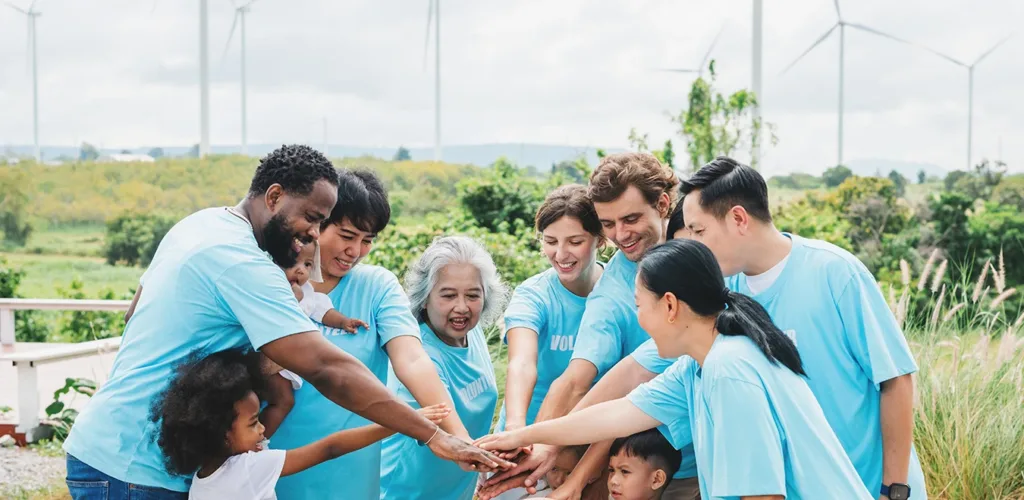
Family volunteering doesn’t have to be overly complicated or require a major time commitment. The most important thing is to choose volunteer opportunities that allow children to participate in a meaningful way and fit naturally into your family’s schedule. Starting with small, manageable activities can also help children develop positive associations with volunteering and make them more excited to participate in the future.
Below we outline some simple tips that can help your family get started volunteering together:
1. Start Small
When introducing children to volunteering, it can help to start with short, simple activities that match their age and abilities. It’s usually best to avoid all-day commitments or complicated tasks when first getting involved.
Consider starting with opportunities such as picking out a couple of nonperishable food items at the grocery store to donate to a local food pantry. Making cards or care packages for people in senior communities or other local organizations is another great option.
Starting small also gives parents an opportunity to see what types of volunteer activities their children enjoy. As children become more comfortable volunteering, you can gradually explore longer or more involved opportunities together.
2. Choose Age-Appropriate Volunteer Opportunities
Young children are more likely to have a positive volunteering experience when they can actively participate in activities that match their age, abilities, and attention span. Before signing up for any opportunity, always consider what your child can realistically do and look for organizations that welcome children and families.
Volunteering opportunities for younger children may include:
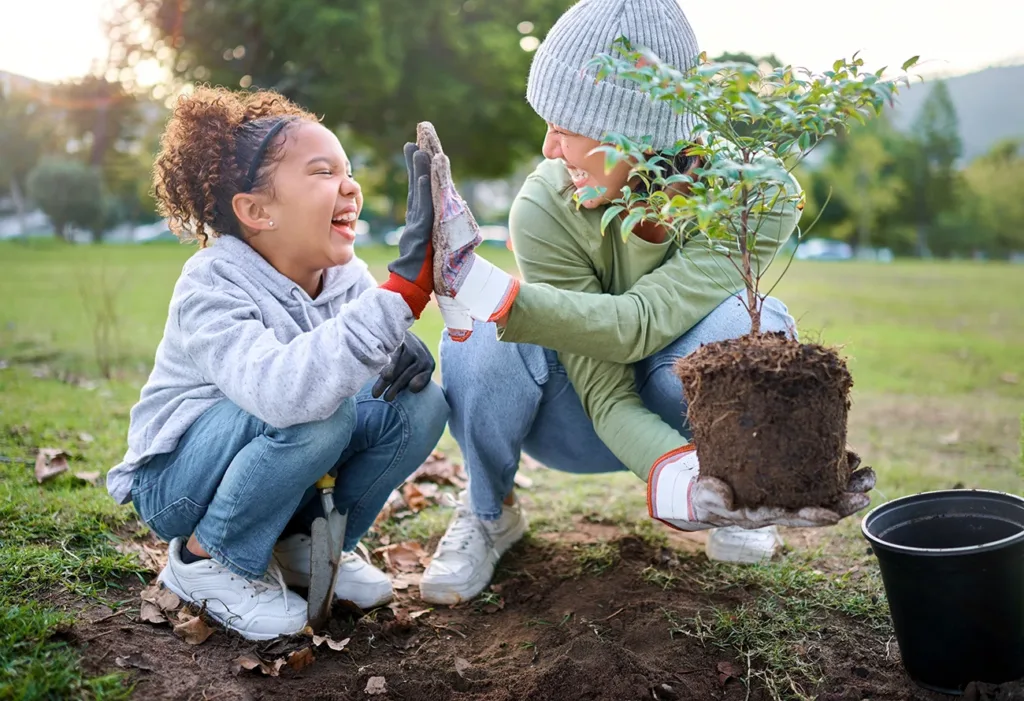
- Planting trees or flowers
- Picking up litter at a local park or beach
- Collecting food or clothing donations
- Creating art and crafts for seniors
- Helping with a neighborhood project
- Participating in school drives
It is also important to remember that age-appropriate volunteering will look different for every child. An activity that works well for one youngster may not be a good fit for another. Paying attention to your child’s interests, personality, and comfort levels can help you find opportunities where they can participate confidently and enjoy giving back.
3. Talk About the Impact
Young children may not always understand how their volunteer work directly helps other people. This is especially true when the connection between their task and the outcome is not immediately visible, like donating toys or clothes to charities. Talking with little ones about the purpose of an activity can help them understand why their contribution matters and make the experience more meaningful.
Before volunteering, it can be helpful to explain to children in simple terms:
- Who You Are Helping: Talk about who will benefit from the activity and why they may need support.
- What You Are Doing: Explain what the volunteer activity involves and how your support will contribute to a larger effort.
- Why it Matters: Help children understand how their time, effort, and contributions can make a positive difference.
These conversations can help children better understand how their actions affect others and why giving back to their community is important. Making the connection between an action and its impact can transform a simple task into a meaningful learning experience.
4. Make Volunteering a Regular Family Activity
A single volunteer experience can be incredibly valuable, but making it a regular part of family life can have an even greater impact. Participating in community service regularly gives children more opportunities to learn, contribute, and build on what they have already experienced.
Making volunteering a regular family activity can be as simple as:
- Choosing a Regular Time to Volunteer: Choose a frequency that works best for your family, whether that means volunteering once a month, a few times a year, or during certain seasons.
- Choosing a Cause You Care About: If your family has a positive experience with a particular organization, consider volunteering there again to help children build a stronger connection to the cause.
- Letting Them Choose: As children get older, give them more opportunities to help choose volunteer activities and decide which causes they would like to support.
Consistency helps children understand that helping others isn’t just something you do occasionally. It can become part of who your family is. Over time, these experiences can reinforce the values and skills children develop through volunteering while creating a lasting habit of giving back.
Find More Resources at the Children’s Museum of Sonoma County
Looking for more ways to support your child’s development? Visit the Children’s Museum of Sonoma County for additional family resources, hands-on learning experiences, and opportunities to get involved in your community.
You can also explore our volunteer opportunities and discover ways to give back while supporting the Children’s Museum and the families we serve.
Sign up for our newsletter to be the first to learn about the latest news, happenings, and offerings at the Children’s Museum of Sonoma County!