Spanish


Whether for Halloween or just for fun, playing dress-up as a child is more than just putting on a costume. When children dress up as superheroes, animals, monsters, or a favorite character, they’re stepping into a world of their own making. This kind of imaginative play gives children opportunities to create their own stories, express emotions, and build tons of important skills that support their development in surprisingly meaningful ways.
In fact, dress-up play supports nearly every area of early childhood development:
- Creative Thinking
- Language Skills
- Self-Expression
- Confidence and Independence
- Social-Emotional Skills
In this guide, we take an in-depth look at the benefits of dress-up play for childhood development, from creative thinking and social skills to emotional development, self-confidence, and more!
What is Dress-Up Play?
Dress-up play is a type of pretend play or imaginative play in which children use costumes, clothing, accessories, and props to act out imaginary situations. It can be more structured, such as playing “doctor” with a toy medical kit, or completely open-ended, like using a towel as a superhero cape and inventing an epic story.
During dress-up play, children get to decide who they want to be, what they want to do, and how their adventure unfolds. They can recreate their favorite stories, act out situations they have encountered personally, or invent completely imaginary characters and go on pretend escapades.
The possibilities are endless—and that’s exactly what makes dress-up play so valuable to little learners!
Whether they’re pretending to be a superhero, a grocery store cashier, or T-Rex, these imaginative experiences give kids an opportunity to practice tons of important developmental skills.
What Are the Benefits of Dress-Up Play for Kids?

For kids, playing dress-up can be a portal to an imaginative world of their own making. Suddenly, your living room is a pizza-and-spaghetti restaurant run by a very opinionated toddler, who also moonlights as a doctor, astronaut, firefighter, and part-time rockstar. (5 stars. Would eat here again.)
This is the magic of dress-up play in action! What looks like simple make-believe is actually a valuable form of pretend play. From boosting creativity and language skills to building confidence and independence, pretend play supports multiple areas of childhood development at the same time.
Below, we explore the benefits of dress-up play for kids and how it helps children learn and grow in fun and engaging ways:
Dress-Up Play Encourages Creativity
Dress-up play is a creativity powerhouse! It gives kids a chance to take an idea and run with it. They can make up characters, invent scenarios, and turn everyday objects into whatever their imagination can dream up.
For children, dress-up play gives them opportunities to:
- Use Their Imagination: They can invent make-believe characters, superpowers, places, animals, scenarios, storylines, and so much more.
- Turn Ideas into Action: Costumes and props are the ultimate artistic tools, giving children a way to physically bring their imagination to life.
- Exercise Self-Expression: Dress-up play gives kids the opportunity to freely explore their interests and express their ideas and feelings in safe and creative ways.
- Experiment with New Ideas: Using different costumes, toys, and props for creative purposes helps kids see that a single item isn’t limited to one job and can become whatever they want it to be.
Because there’s no “right” or “wrong” way for a pretend adventure to unfold, children can experiment freely. This autonomy to think creatively and invent endless possibilities naturally encourages kids to imagine things beyond what they know in everyday life.
This is the creative process at work. And just like a muscle, the more a child imagines, invents, and creates, the stronger their creative thinking skills become.
Pretend Play Builds Language Skills
Pretend play gives children a fun and natural way to practice using language to communicate ideas, thoughts, and feelings. As they create characters and pretend situations, they have opportunities to experiment with words they might not use in everyday conversation. This helps build their vocabulary, as well as their expressive and descriptive language skills.
As children bring their imaginary worlds to life, they can strengthen their language skills by:
- Using New Vocabulary Words: Pretending to be a character or acting out imaginary scenarios gives kids the opportunity to use words and phrases that they may have heard before but don’t ordinarily say in day-to-day life.
- Creating Stories: Creating imaginary characters and scenarios encourages children to put their ideas into words, describe what is happening, and connect one event to the next as they develop their own make-believe stories.
- Communicating Ideas Clearly: Creating and acting out imaginary scenarios allows children to practice organizing their thoughts and explaining their ideas clearly and effectively.
The best part is that through dress-up play, kids get to practice these skills in a fun and meaningful way. These playful experiences can help children become more confident communicators while strengthening vocabulary and language skills that they will use for the rest of their lives.
Imaginative Play Nurtures Self-Expression
On the surface, imaginative play may seem like it’s just about pretending to be someone else. But in reality, it gives children a chance to explore and express more of who they are.
During dress-up play, kids are able to:
- Express Their Individuality: The way children approach pretend play can reflect their individual sense of humor, interests, preferences, and unique way of looking at the world.
- Make Independent Choices: Deciding what to wear, which props to use, and how imaginary scenarios should unfold lets children practice making decisions guided by their own ideas and preferences.
- Tell Their Own Stories: Inventing characters and acting out storylines gives children a way to communicate ideas and feelings they may not yet know how to put into words.
- Imagine Their Future: Dress-up play lets children become anything they can dream of, helping them see that they can be whoever they want when they grow up.
There’s no single way to play-pretend, and that is exactly why imaginative play is such a valuable outlet for self-expression. When a child decides what to play, who to be, and how their imaginary world works, playtime can become a reflection of the things they find interesting, exciting, or meaningful.
Dress-Up Play Boosts Confidence and Independence
For little learners, being in charge of your own adventure can be incredibly empowering. Dress-up play provides a fun environment for children to self-direct and puts them in charge of their own imaginative world for a bit. They get to take the lead, make decisions, and figure things out for themselves.
Naturally, this kind of open-ended play can help a child explore and test their own capabilities. Early self-discovery like this can lay the foundation for self-confidence to thrive, which is important for developing a healthy sense of independence.
Pretend play gives young kids opportunities to build confidence in their own abilities through:
- Self-Guided Play: Directing their own play allows children to practice making choices independently, taking initiative to bring their creative ideas to life, and managing simple challenges if they arise.
- Building Fine Motor Skills: Dressing up in costumes gives kids practice with buttons, zippers, and snaps, while activities like stirring and pouring pretend food, pressing cash register buttons, and handling pretend coins all help build hand-eye coordination, dexterity, and hand and finger strength.
- Problem-Solving: Pretend play encourages children to experiment and find solutions when they run into small challenges like figuring out how to dress themselves in costumes, build with props, and adapt when something doesn’t work.
- Self-Efficacy: Each time a child discovers that they can handle something on their own, they have another reason to approach the next challenge with confidence in their own abilities instead of immediately looking to an adult for help.
These experiences may seem small, but they give children something important: evidence that they are capable of figuring things out. That sense of “I did it!” is a big part of how confidence develops in young kids. Over time, these experiences can help children develop a stronger belief in their own abilities.
Imaginative Play Supports Social-Emotional Skills
Social-emotional skills help children recognize and manage emotions, interact with others, and build relationships. They shape how kids make friends, handle tough feelings, and navigate everyday situations.
Dress-up play is a fun and engaging way for children to practice social-emotional skills, including:
- Empathy: Pretending to be someone else or acting out specific scenarios naturally encourages children to consider what other people might think, feel, want, or need, strengthening everyday empathy.
- Social Interactions: When children play dress-up together, they practice skills like taking turns with props, sharing costumes, working through disagreements, and finding solutions together.
- Naming Feelings: Pretend play can help kids see what emotions look like in action, which can make it easier for them to recognize their own feelings.
- Processing Big Emotions: Acting out real-life situations can give young kids a way to safely explore big emotions like fear of going to the doctor, helping them build confidence.
All of these skills are an important part of how children understand themselves and relate to the people around them. With time, these seemingly small moments can contribute to stronger emotional awareness, healthier relationships, and greater confidence in social situations.
The scenarios may be imaginary, but the social-emotional work is 100% real.
Don’t Miss Our Annual Family-Friendly Halloween Event at The Children’s Museum of Sonoma County!

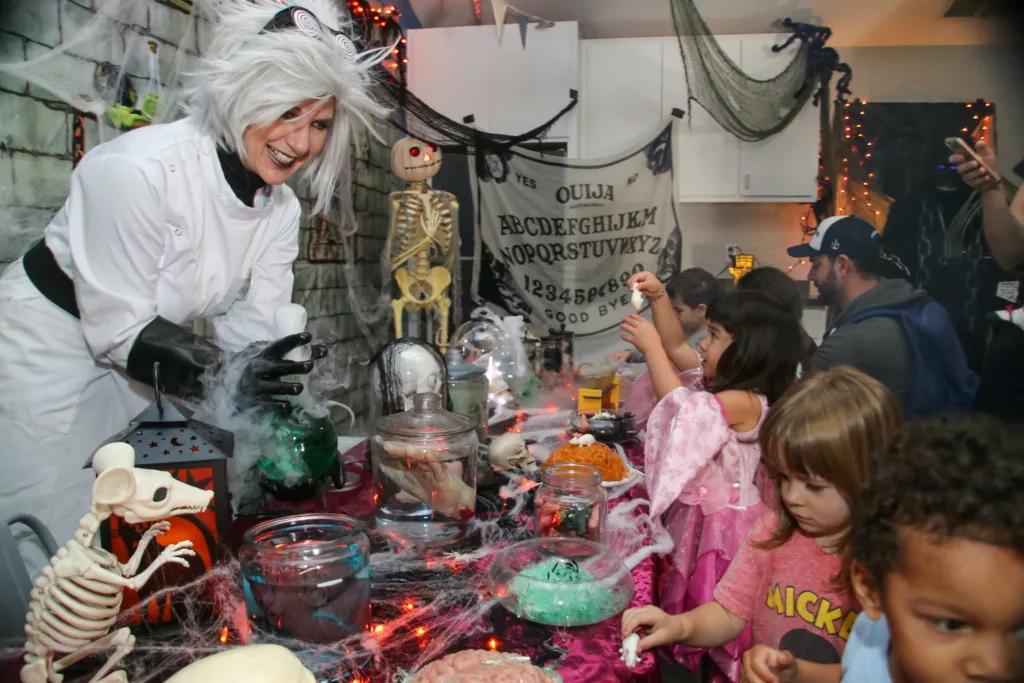
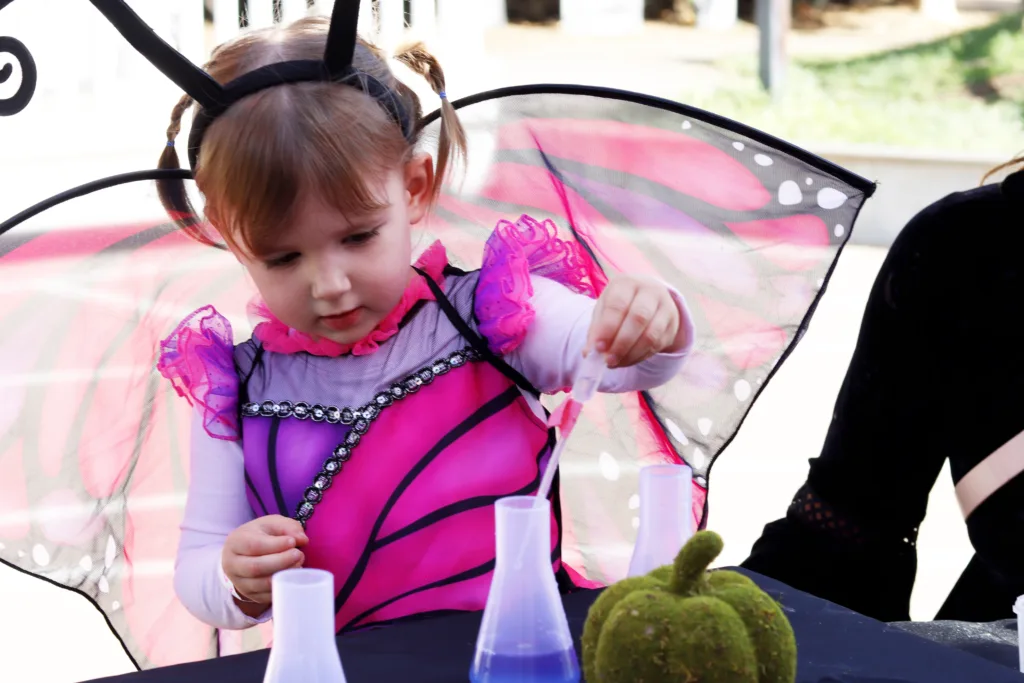


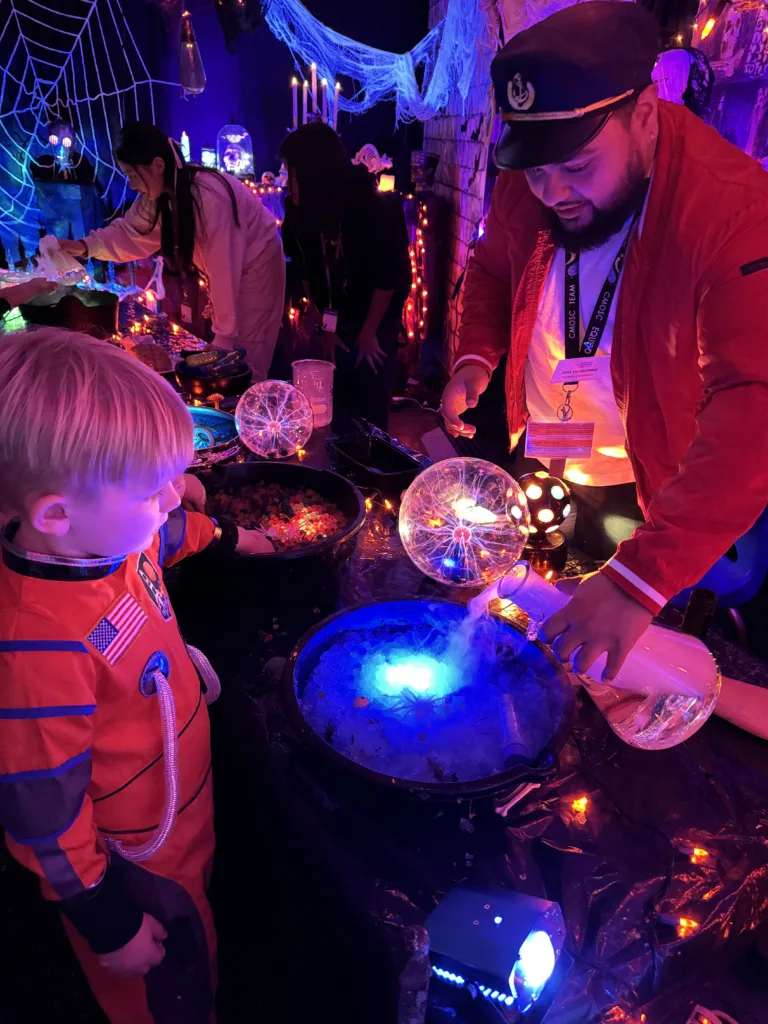


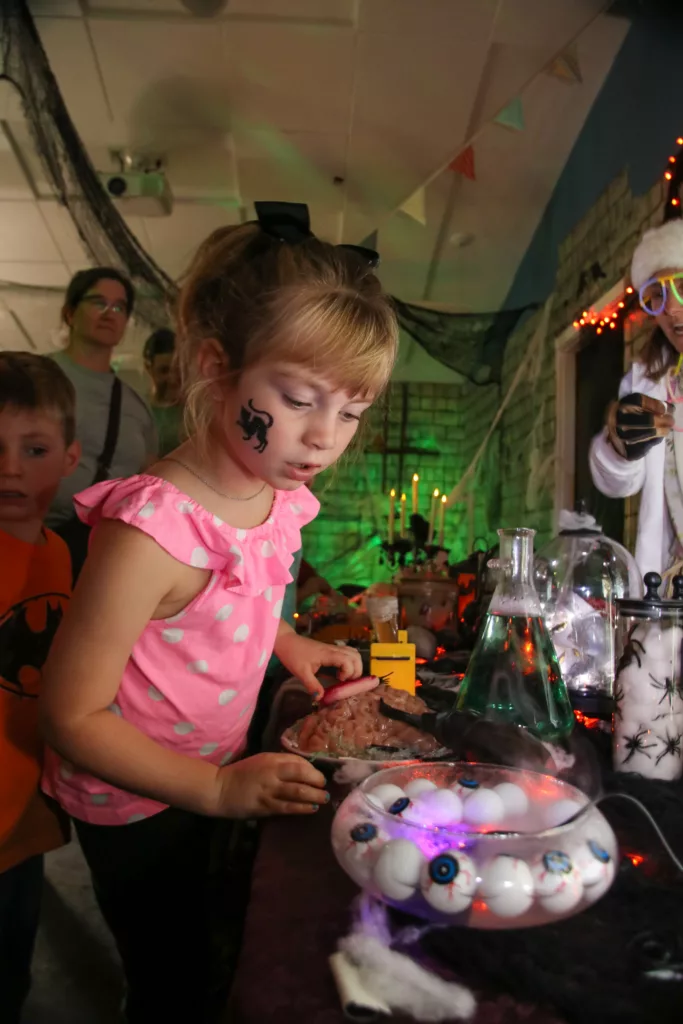
FUNtaz is a spooky, not scary, Halloween-themed event that takes place every October at the Children’s Museum of Sonoma County. Every year, families with children of all ages dress up in costumes and celebrate the season with special themed activities and live entertainment set up throughout the Children’s Museum.
Join us for Family FUNtaz Night on October 22nd and 23rd, 2026!
This family-friendly Halloween event is the perfect way to kick off spooky season with thrills, giggles, and tons of spook-tacular fun for kids of all ages! Bring the whole family for a magical evening of pumpkins, potions, music, and mayhem! Costumes encouraged but not required! See you soOoOoOon! 👻🎃
Sign up for our newsletter to be the first to learn about the latest news, happenings, and offerings at the Children’s Museum of Sonoma County!