Spanish
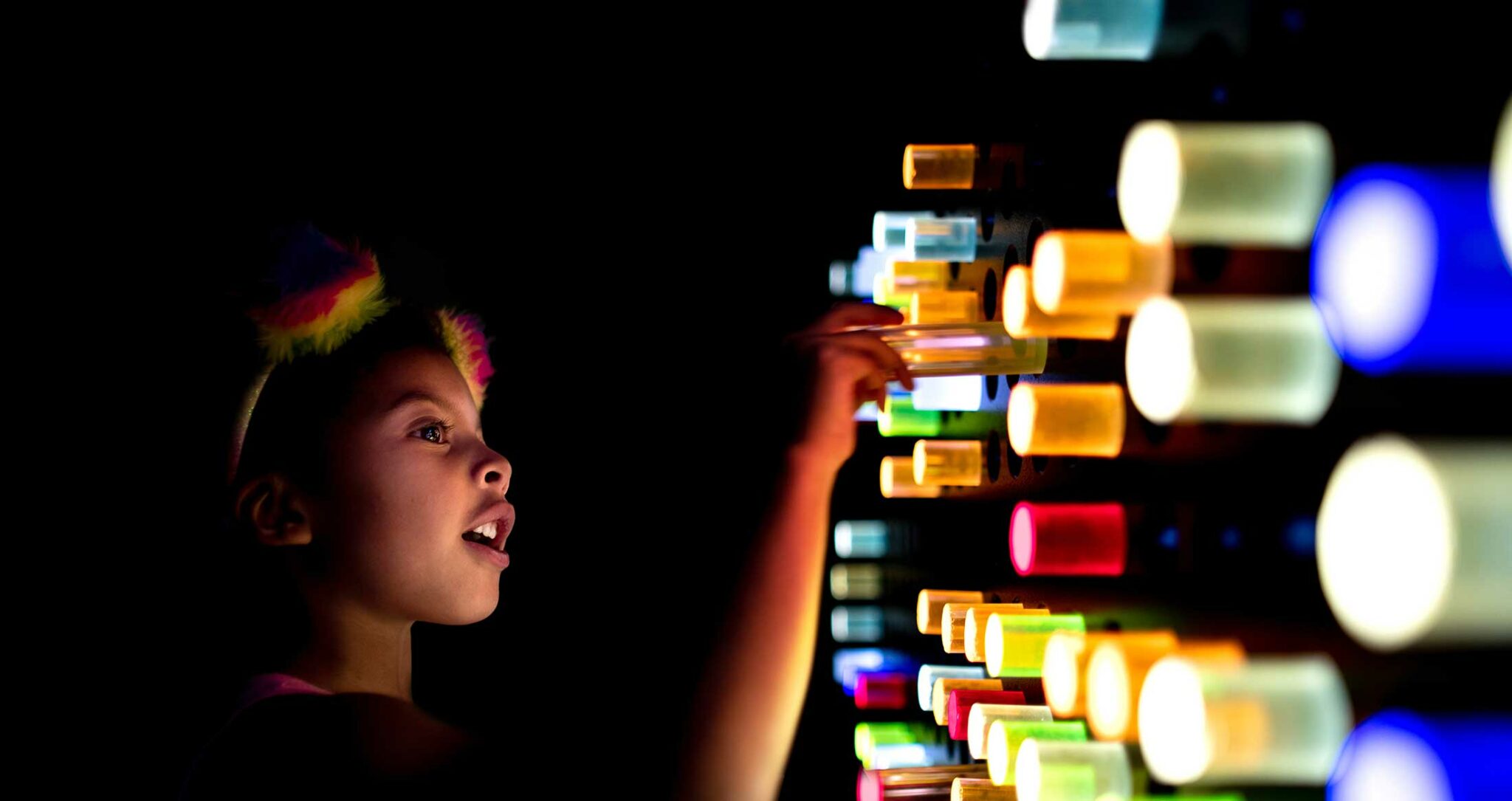
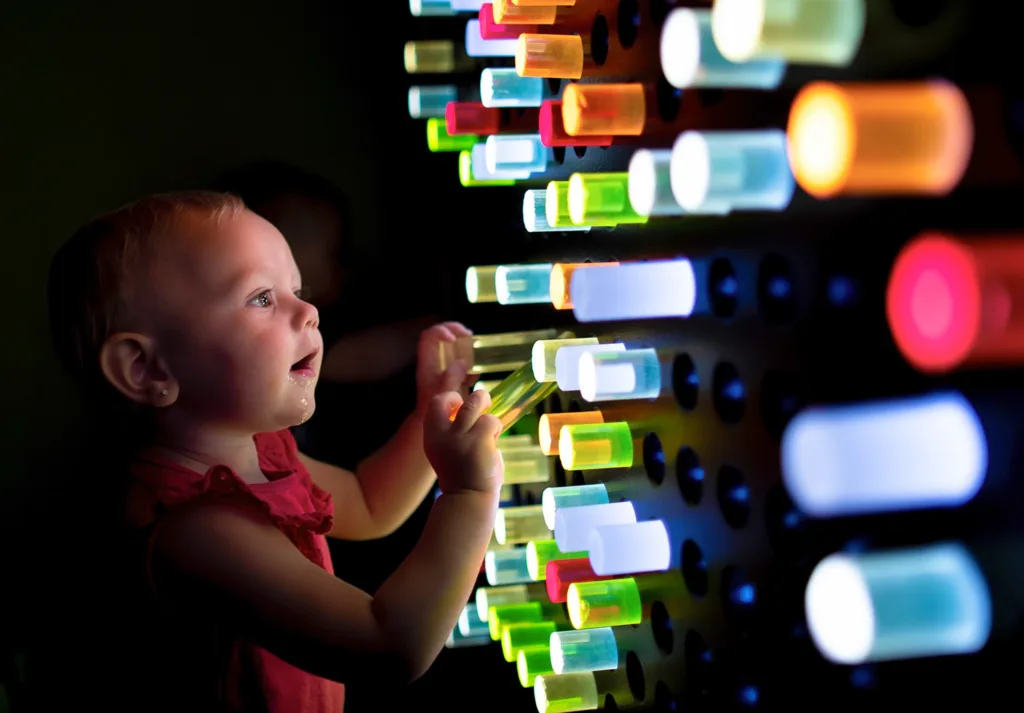
“Children need to sit less and play more.” – World Health Organization
The early years of a child’s life are a time of rapid growth, physically, emotionally, and cognitively. According to Harvard’s Center on the Developing Child, experiences before age 5 largely shape children’s brain development, laying the foundation for all future learning, behavior, and health outcomes.1 For many little learners, children’s museums play an essential role in building this foundation.
At The Children’s Museum of Sonoma County (CMOSC), all our interactive exhibits, educational programs, and Wonder Camps are intentionally designed to help children practice essential developmental skills. These experiences support social-emotional growth, motor skill development, early academic learning, and independence—all of which contribute to kindergarten readiness.
In this post, we explore how children’s museums support kindergarten readiness and why play-based learning experiences are so important to early childhood development.
What is Kindergarten Readiness?
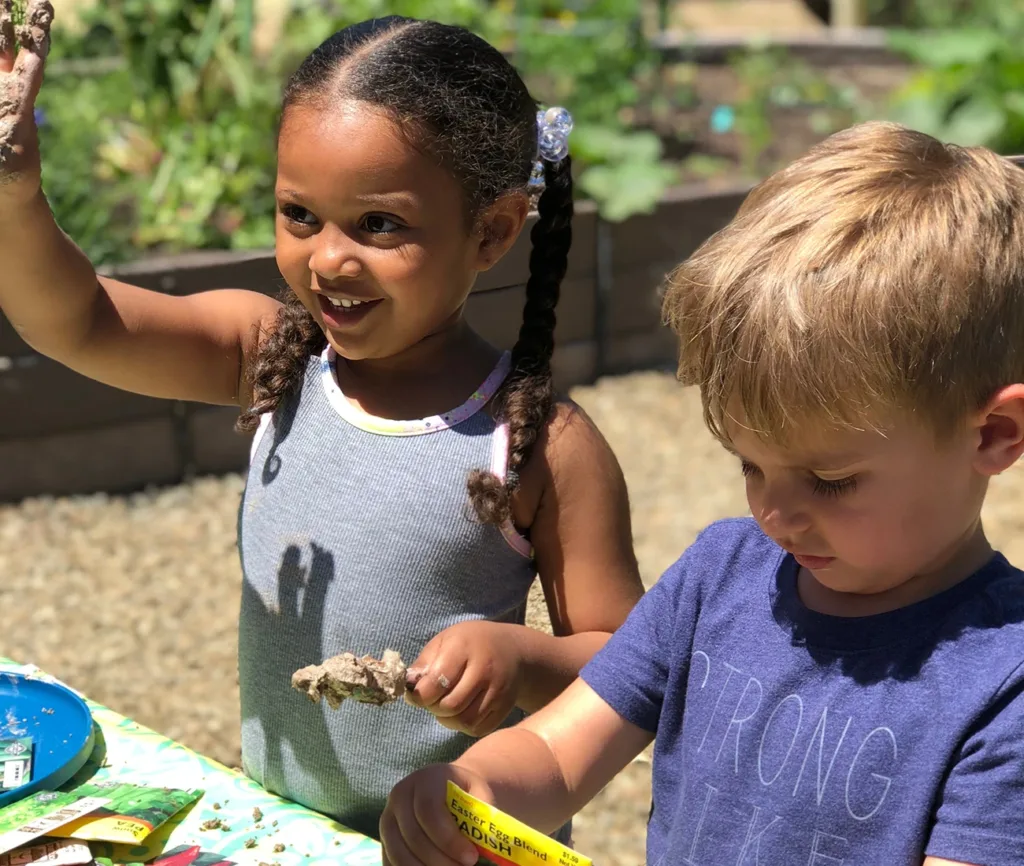
Being “ready for kindergarten” means a child can successfully engage in a structured learning environment. At its core, kindergarten readiness refers to a child’s ability to participate in classroom activities, follow routines, communicate, and interact positively with others.
Key areas of kindergarten readiness include:
- Social and Emotional Skills: Such as sharing, taking turns, managing emotions, and working cooperatively with others
- Physical Development: Including fine motor skills (grasping, drawing, using tools) and gross motor skills (running, climbing, balance)
- Self-Care and Independence: Like washing their hands, feeding themselves, and managing bathroom needs on their own
- Language and Communication Skills: Including active listening, expressing ideas, asking questions, and understanding directions
- Early Academic Skills: Such as counting, problem-solving, sorting, pattern recognition, and identifying shapes and colors
Every child develops these skills at their own pace, and readiness does not look the same for everyone. It’s incredibly common for children to excel in certain developmental areas and need help in others. The goal is progress, not perfection.
How Children’s Museums Build Kindergarten Readiness Skills
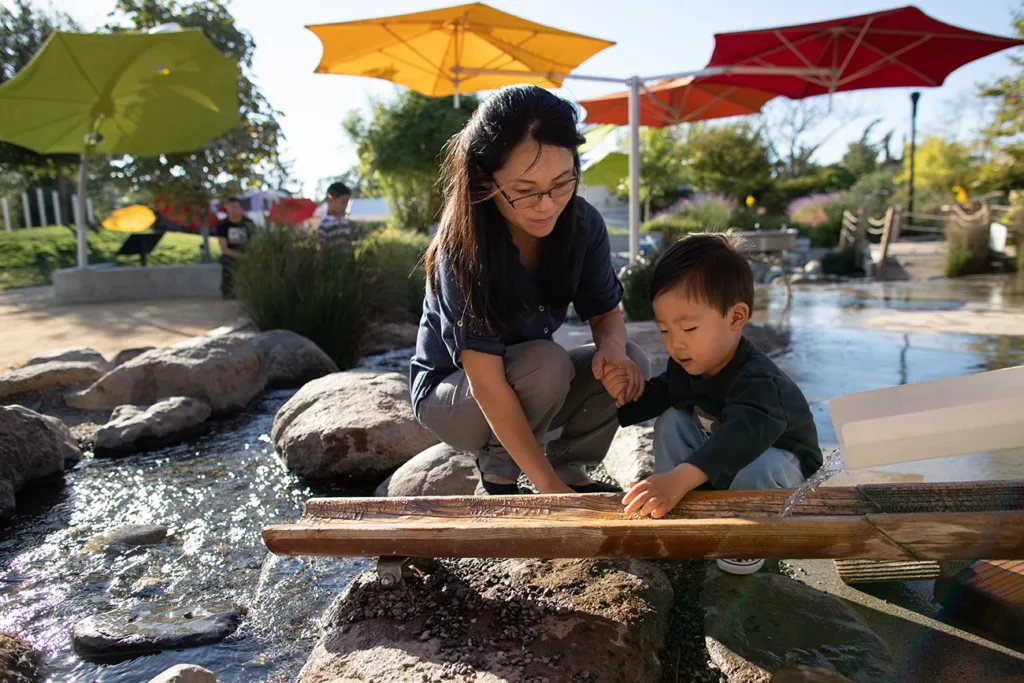
“Pediatricians should encourage play at every well child visit, especially in the first 2 years of life” – American Academy of Pediatricians
Playtime is when young children learn how to learn. Through play, kids actively explore new ideas, test their abilities, and make sense of the world around them. This helps them build essential skills in ways that feel fun and natural.
Children’s museums like CMOSC are intentionally designed to harness these benefits. We provide hands-on, open-ended experiences that invite children to explore and engage at their own pace. These early experiences can help lay a foundation for a lifelong love of exploration, discovery, and learning.
Below, we take a closer look at how children’s museums naturally support kindergarten readiness through hands-on, play-based learning experiences:
1. Supporting Social and Emotional Development
Social-emotional development shapes how children interact with peers, manage their emotions, navigate group settings, and more. These skills help children build positive relationships, follow classroom expectations, and develop self-confidence.
Children’s museums provide natural opportunities for children to practice these kinds of interpersonal skills in a low-pressure setting, including:
These experiences mirror common social expectations of kindergarten and can help children feel more confident and ready to participate in a classroom setting.
2. Developing Fine and Gross Motor Skills
Fine motor skills (hand and finger dexterity) and gross motor skills (whole-body movements, coordination, and balance) both play critical roles in kindergarten readiness.
Fine motor skills help children:
Gross motor skills help children:
Children’s museums offer a wide range of activities that strengthen both fine and gross motor skills development:
Fine Motor Skills: Activities like building with blocks, sorting objects, using tools, and manipulating interactive components help children develop hand strength, dexterity, and control. These fine motor skills are essential for classroom activities like holding a pencil, cutting with scissors, opening containers, and feeding themselves during snack time.
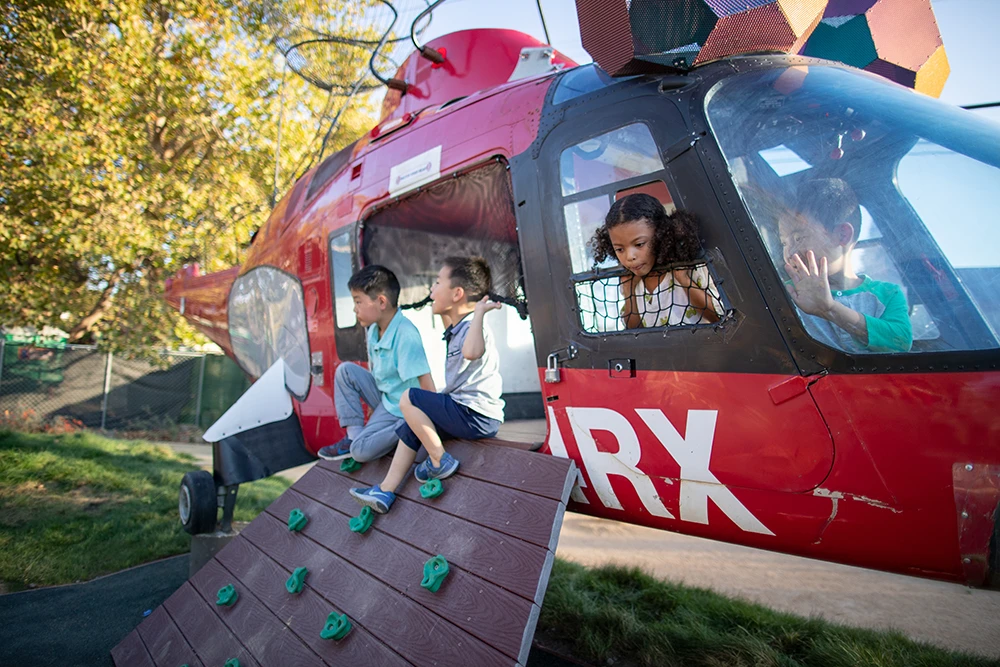
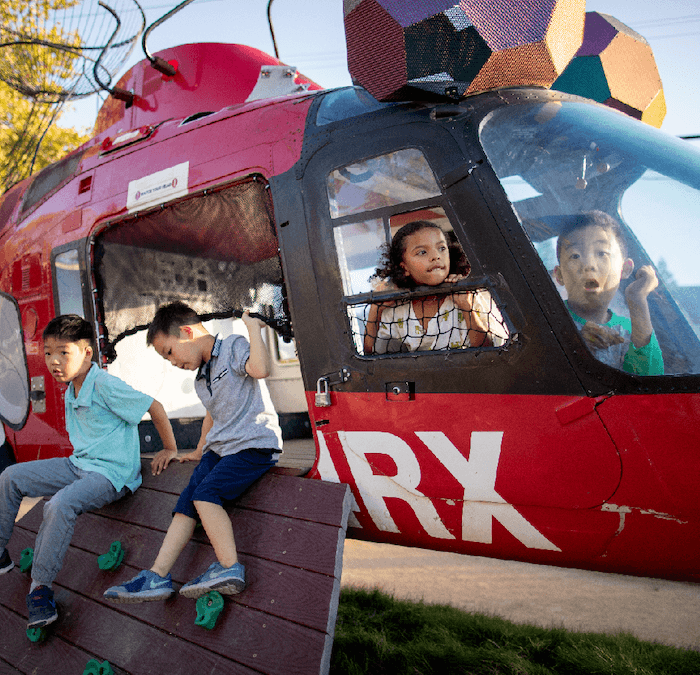
Gross Motor Skills: At the same time, climbing structures, balancing activities, crawling spaces, and other physical play-based exhibits support children’s gross motor development. These experiences improve balance, coordination, spatial awareness, and core strength. All these skills help kids sit comfortably for periods of time, move safely through busy spaces, and participate in physical activities.
3. Practicing Self-Care and Independence
Foundational self-care skills are essential for kindergarten readiness. These skills help children build confidence, take responsibility for their needs, and navigate daily routines with greater ease.
Children’s museums support the development of self-care and independence by offering hands-on experiences that encourage kids to take initiative and manage tasks on their own. This includes:
When kids feel capable and self-reliant, they are better prepared to engage socially, emotionally, and academically in a classroom setting. Children’s museums nurture these skills through play-based experiences, helping kids build self-confidence and positive associations with learning.
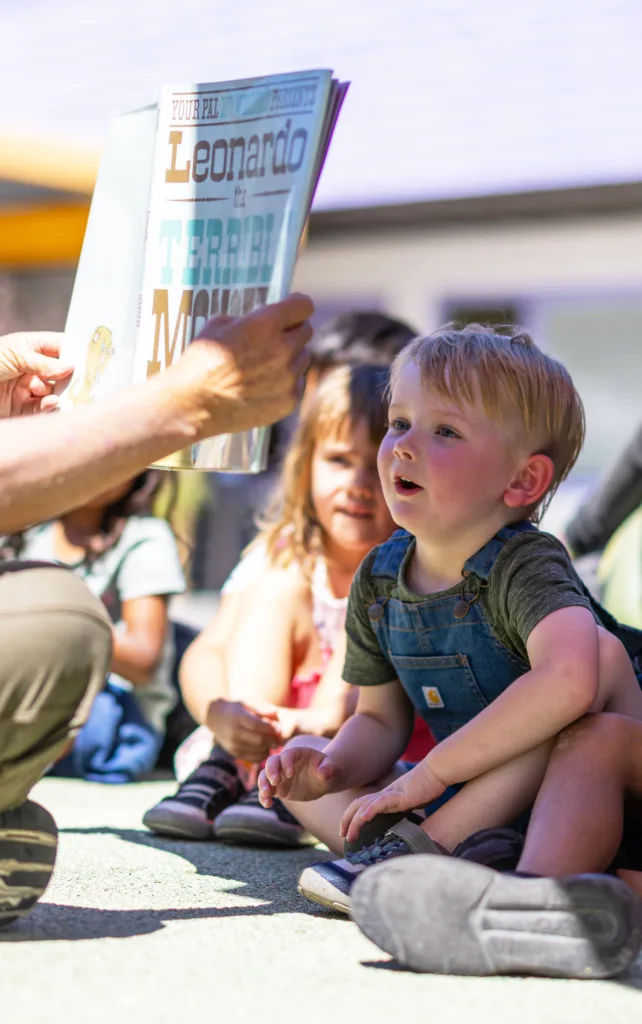
4. Building Early Language and Literacy Skills
Language and literacy skills start developing long before children learn to read and write. They are built through everyday conversations, storytelling, and meaningful interactions.
Children’s museums provide space for natural language and early literacy development through:
These experiences lay the foundation for early reading, writing, and communication skills, which are essential for meaningful participation in school and beyond.
5. Supporting Early Academic Skills
Early academic skills include basic math concepts, science exploration, and the ability to think critically and solve problems. These skills form the groundwork for future learning and support a child’s readiness for kindergarten and beyond.
Children’s museums provide experiences that introduce early academic concepts in ways that are engaging, meaningful, and developmentally appropriate, like:
These experiences introduce academic concepts through play, making them more tangible, engaging, and meaningful to young learners. Children’s museums support the development of these foundational skills while fostering curiosity, confidence, and a lifelong love of learning.
Experience the Power of Play-Based Learning at the Children’s Museum of Sonoma County
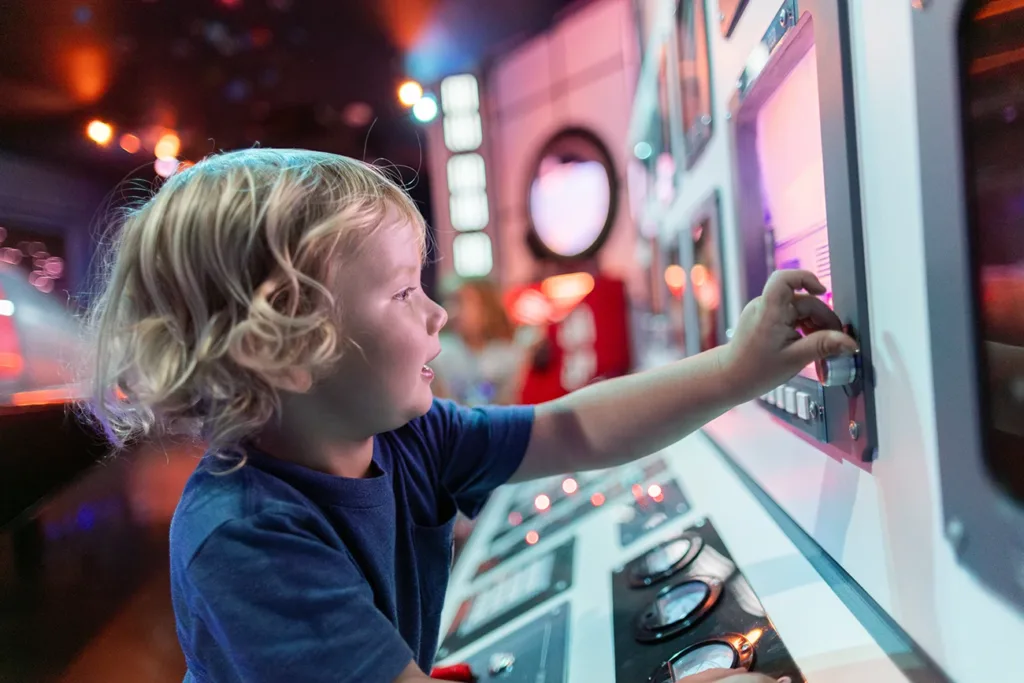
Kindergarten readiness encompasses the social-emotional, physical, and cognitive skills children need to confidently engage and succeed in a structured learning environment. Children’s museums uniquely support this growth by offering meaningful, play-based learning experiences.
At The Children’s Museum of Sonoma County, our exhibits, programs, and day camps are all thoughtfully designed to align with how young children learn best—through exploration, curiosity, and hands-on discovery.
We invite you to visit, play, and discover how learning comes alive at the Children’s Museum of Sonoma County!
References
- Brain Architecture: An ongoing process that begins before birth. (2025, March 13). Center on the Developing Child at Harvard University. https://developingchild.harvard.edu/key-concept/brain-architecture/