Spanish

Children learn about the world through their senses. Long before a child can read a book or even say their first word, they’re learning about the world by touching, tasting, smelling, seeing, and hearing it.
These sensory experiences may seem simple, but they actually play an incredibly important role in early childhood development. In fact, there is tons of research showing that sensory play is one of the most effective ways to support a child’s cognitive, physical, social, and emotional growth during their formative years.1
In this guide, we explore the lifelong benefits of sensory play for early childhood development and list some age-appropriate sensory activities for kids!
Sensory Friendly Events at The Children’s Museum of Sonoma County
We host free sensory-friendly events to provide greater accessibility to our guests and ensure every child has the opportunity to experience the wonders of learning through play!
What is Sensory Play?
Sensory play is any activity that intentionally engages one or more of a child’s senses: sight, hearing, smell, taste, and touch, as well as balance and body awareness.
Some examples of each of these sensory systems in action include:
- Sight (Visual Sense): Looking at colors, light, patterns, movement, and visual contrast.
- Hearing (Auditory Sense): Listening to music, nature sounds, spoken language, and everyday noises.
- Smell (Olfactory Sense): Smelling food, flowers, perfumes, and different scents in the environment.
- Taste (Gustatory Sense): Eating foods that are sweet, salty, sour, or crunchy textures.
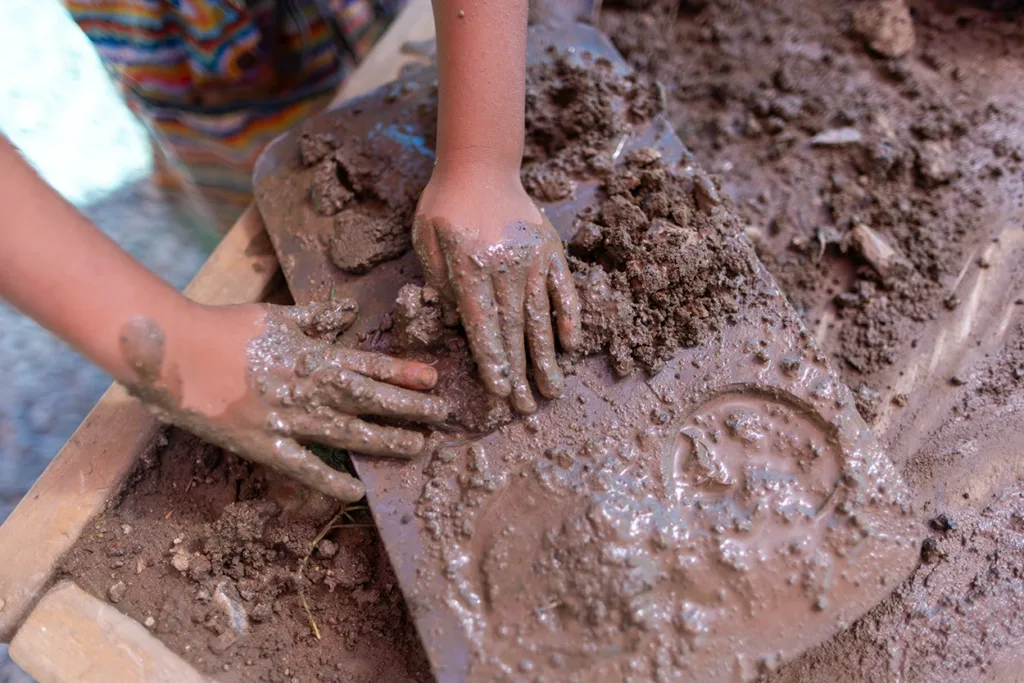
- Touch (Tactile Sense): Feeling different textures, temperatures, weights, and materials such as sand, water, grass, rocks, or mud.
- Balance (Vestibular Sense): Swinging, spinning, jumping, or balancing on one foot.
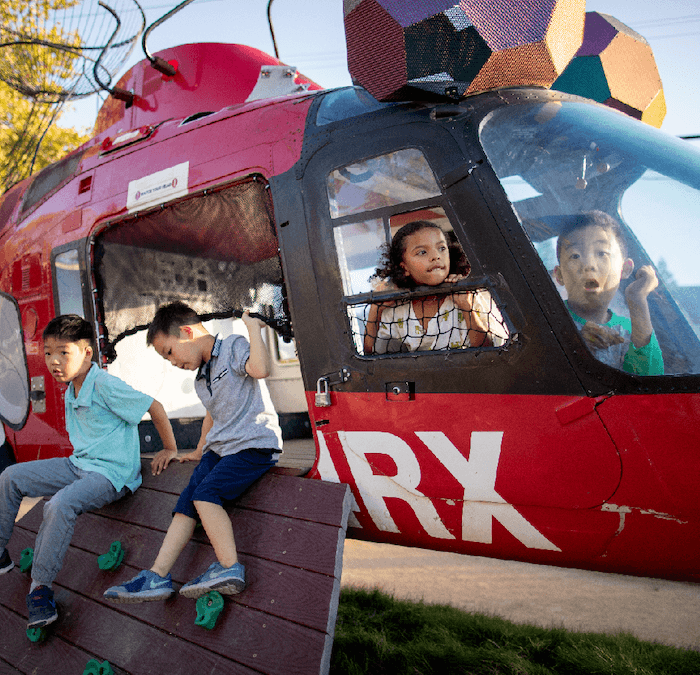
- Body Awareness (Proprioceptive Sense): Pushing, pulling, carrying, climbing, and squeezing objects.
Sensory play is beneficial for all children, especially little ones who are highly sensitive or who have sensory processing differences. It provides a safe and controlled way to explore new things at their own pace, which can help reduce anxiety and build confidence over time.
While sensory play is fun and encourages exploration, it also plays a huge role in a child’s overall development. Multi-sensory engagement helps children make sense of the world around them. It also provides a range of developmental benefits that can support children both now and as they grow.
The Benefits of Sensory Play for Early Childhood Development
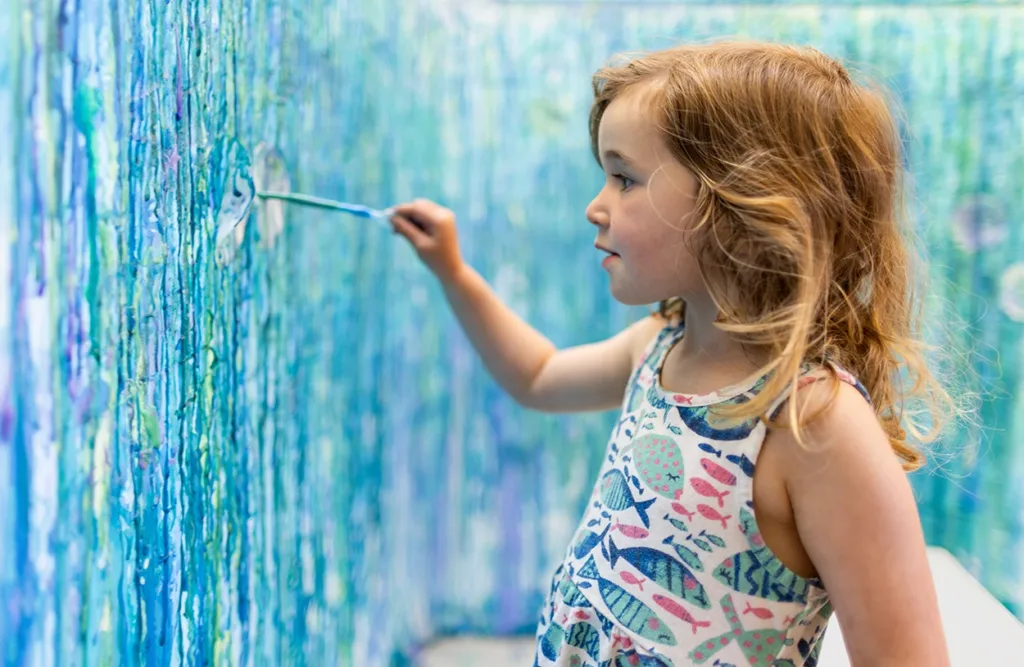
Early childhood is a critical period of growth and development. According to Harvard’s Center on the Developing Child, during the first five years of life, a child’s brain develops more rapidly than at any other stage, creating millions of neural connections that form the foundation for future learning.2
Because of this rapid development, the experiences children are exposed to during these early years matter immensely. Sensory play provides the rich and engaging stimulation their brains need to build these vital neural pathways. And these neural pathways form the foundation for the development of essential life skills during early childhood.
Early childhood development focuses on four main areas:
- Physical: Body movements, growth, strength, and coordination
- Cognitive: Critical thinking, learning, memory, creativity, and problem solving
- Language: Understanding the meaning of words and communication
- Social-Emotional: Understanding feelings, building relationships, and managing emotions
Below, we take a closer look at how sensory play during early childhood supports growth across all four of these major developmental domains:
1. Physical Development: Fine and Gross Motor Skills
Sensory play helps children strengthen their muscles and build the coordination they need for everyday tasks. Many sensory play activities naturally support physical development in several ways, including:
- Fine Motor Skills: Scooping, pouring, pinching, squeezing, stacking, and picking up small objects help strengthen the muscles in the hands and fingers. These skills are important for everyday tasks like holding a pencil, using scissors, buttoning clothes, and feeding themselves.
- Gross Motor Skills: Activities that encourage larger body movements like jumping, crawling, climbing, pushing, or pulling all help children build strength, balance, and body awareness.
- Hand-Eye Coordination: Activities like sorting objects, building with blocks, and scooping and moving water between containers help children practice coordination and movement control.
- Strength and Muscle Memory: Repeated actions help build muscle strength and reinforce movement patterns that can make everyday tasks easier, like climbing stairs or carrying a backpack.
Because sensory play is active and engaging, children naturally repeat movements over and over again. This repetition helps build muscle control, coordination, and balance in a fun and positive way. Over time, these early experiences create a strong foundation for healthy physical growth and everyday independence.
2. Cognitive Development: Critical Thinking and Problem-Solving
Another significant benefit of sensory play during early childhood is its ability to promote cognitive development. This includes skills like:
- Problem-Solving: Sensory play is open-ended, so there is often more than one “right” answer. This gives kids the freedom to experiment with different solutions.
- Critical Thinking: Exploring different materials, building methods, and sorting games all support reasoning, comparison, and decision-making. These activities also encourage children to ask questions, make observations, and test their ideas.
- Cause and Effect Understanding: Activities like pouring water, mixing colors, and shaping playdough help children see how their actions create specific outcomes.
- Memory and Attention: The more senses involved in an activity, the more likely a child is to remember the experience. This helps them focus, follow steps, and remember details as they play.
- Decision-Making: Children make their own self-guided choices throughout sensory activities, such as selecting materials, testing different approaches, and deciding how to interact with their environment.
As children explore, experiment, and figure things out through hands-on activities, their brains are busy strengthening the neural pathways that support learning and critical thinking. Even when they play simple sorting games or build things out of blocks, they are actively problem-solving and figuring out how things work.
Over time, these experiences can help children become active thinkers, able to explore new ideas and solve problems in creative and innovative ways.
3. Language Development: Vocabulary and Literacy Skills
Sensory play creates natural opportunities for children to hear, learn, and practice language skills in many ways, like:
- Vocabulary Building: As they are introduced to new textures, sounds, colors, and experiences, children learn new words that help them describe what they see, hear, feel, and do.
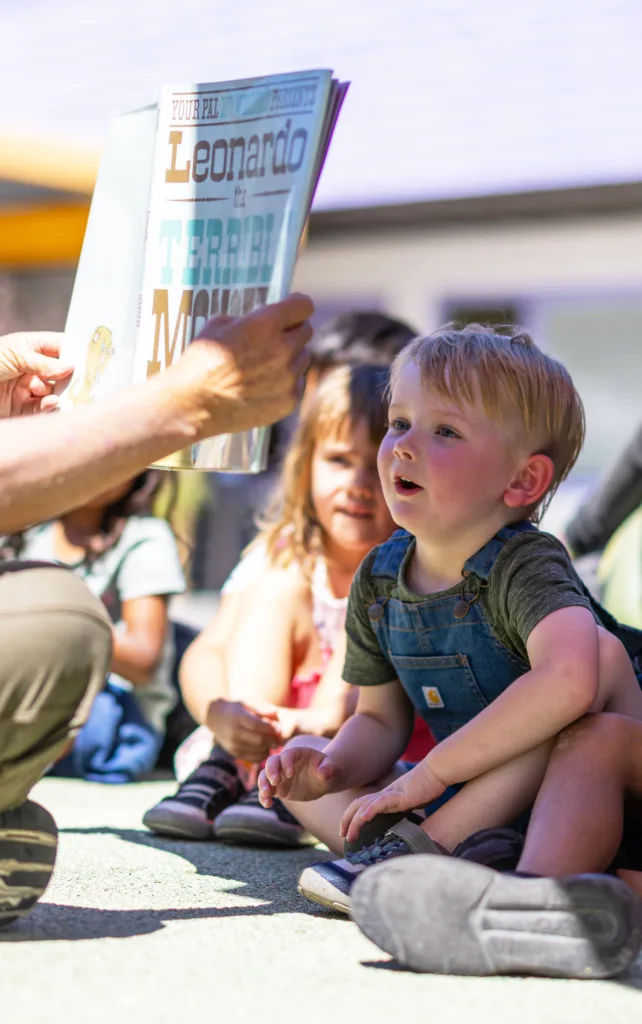
- Listening Skills: Following directions, responding to questions, and engaging in discussions during sensory activities help strengthen listening and comprehension abilities.
- Storytelling: Open-ended play allows children to describe their experiences, explain their ideas, and create stories based on what they are exploring.
- Early Literacy Skills: Sensory experiences help build foundational skills that support reading and writing, including recognizing patterns, understanding sequences, and making connections between words and experiences.
When a child smells something citrusy, tastes something sour, or feels something sticky, they are learning the meaning of new words in a hands-on way. These meaningful experiences help kids better understand and remember language, creating a strong foundation for communication, reading, and writing skills needed for success in school and everyday life.
4. Social-Emotional Development: Regulation and Relationships
Social-emotional development refers to how children understand and manage their emotions and build relationships with others. Through sensory play, children have opportunities to develop a variety of social and emotional skills, including:
- Emotional Regulation: Playing with kinetic sand, squeezing toys, and rhythmically sorting items can all have a calming effect, helping children regulate strong feelings of stress, frustration, excitement, or overwhelm.
- Mental Flexibility: As children learn to identify and regulate their emotions, they become better at dealing with challenges and adapting to new situations.
- Confidence and Independence: Successfully sorting materials, exploring new things, building structures, and solving problems through self-guided trial and error helps children develop confidence in their abilities.
- Cooperation and Sharing: Group sensory activities encourage children to take turns, share materials, and work together.
- Relationship Building: Playing alongside peers provides opportunities to express ideas, listen to others, and build positive social connections.
- Empathy and Understanding: Interacting with others during play helps children learn to recognize different perspectives, understand emotions, and practice responding with kindness.
Sensory play provides a safe and encouraging environment where children can work through their feelings, practice social interactions, and develop the skills needed to navigate daily life. These experiences help children build the emotional resilience and social skills needed to form healthy relationships, navigate challenges, and thrive in diverse environments.
Sensory Play Activity Ideas by Age Group
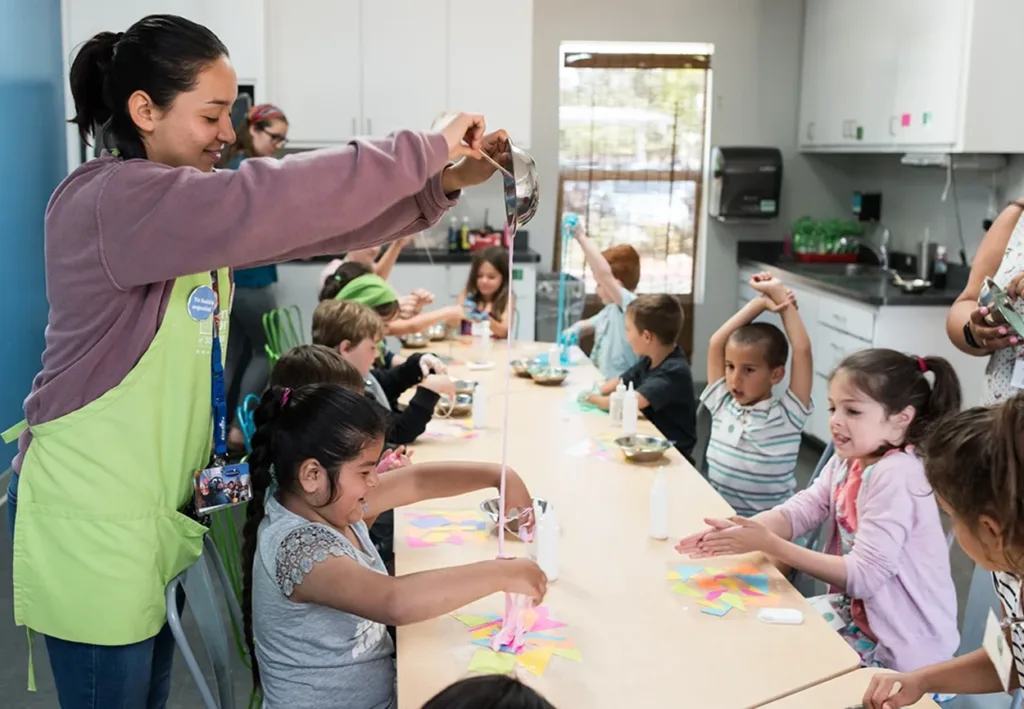
Sensory play looks different at every stage of early childhood development. As kids grow, their abilities, interests, and coordination evolve, meaning the types of sensory experiences they benefit from will also change.
Choosing age-appropriate activities helps ensure sensory play remains both safe and developmentally supportive while still being fun and engaging. Below, we list some sensory play activity ideas for different age groups.
Remember: These age groups are intended as general suggestions, as every child develops at their own pace. A child’s individual abilities, interests, and comfort level will always be the best guide when choosing sensory play activities for them.
Infants (Ages 0–12 Months)
For babies, sensory play is all about gentle exposure to new sights, sounds, textures, and movements in a safe and nurturing environment.
Sensory play ideas for infants include:
- Soft-textured toys and fabric books
- Tummy time on different surfaces (blankets, mats, etc.)
- Gentle rattles, shakers, and musical toys
- High-contrast visual cards and picture books
- Safe water exploration during bath time
These early experiences help babies start to understand the world around them while developing visual tracking, touch, and hearing sensitivity.
Toddlers (Ages 1–3 Years)
Toddlers are naturally curious and eager to explore everything through touch, taste, movement, and repetition.
Sensory play ideas for toddlers:
- Water-based play with cups, spoons, and funnels
- Sensory bins filled with rice, pasta, or beans
- Playdough squeezing, rolling, and shaping
- Edible finger painting with yogurt, applesauce, pudding, etc.
- Exploring music and physical movement
- Outdoor sensory exploration, such as sandboxes and nature walks
These activities help toddlers strengthen fine motor skills, creative thinking, early problem-solving, and self-guided play abilities.
Preschoolers (Ages 3–5 Years)
Preschoolers are ready for more complex sensory experiences that encourage early learning concepts, self-guided exploration, and more complex arts and crafts.
Sensory play ideas for preschoolers include:
- Themed sensory bins (e.g., holidays, seasons, animals, colors, etc.)
- Cutting, gluing, and crafting projects
- Experimenting with DIY science activities
- Playing with slime, kinetic sand, and modeling clay
- Nature-based exploration, like collecting leaves or rocks
- Musical games involving rhythm, movement, and sound patterns
These experiences help preschoolers build early literacy, math and science awareness, and problem-solving skills while continuing to develop emotional regulation and creative thinking.
School-Age Children (Ages 5–10+ Years)
As children enter elementary years, sensory play can evolve into more structured, skill-building activities. Hands-on, exploratory experiences and step-by-step process support academic learning while still being fun and exciting for young learners.
Sensory play ideas for school-age children include:
- Gardening and outdoor nature activities
- Cooking and baking projects with more complex directions
- Movement-based games that combine coordination and strategy
- Building challenges with smaller blocks, magnets, and recycled materials
- Project-based STEAM experiments focused on building, testing, and designing
At this stage, sensory play continues to reinforce focus, creativity, and problem-solving while also supporting classroom readiness and independent thinking.
Tailoring sensory activities to a child’s developmental stage helps ensure that play remains both enjoyable and purposeful. The right sensory experiences at the right time help children build confidence, strengthen essential skills, and stay naturally engaged in the learning process.
Experience the Power of Play at the Children’s Museum of Sonoma County
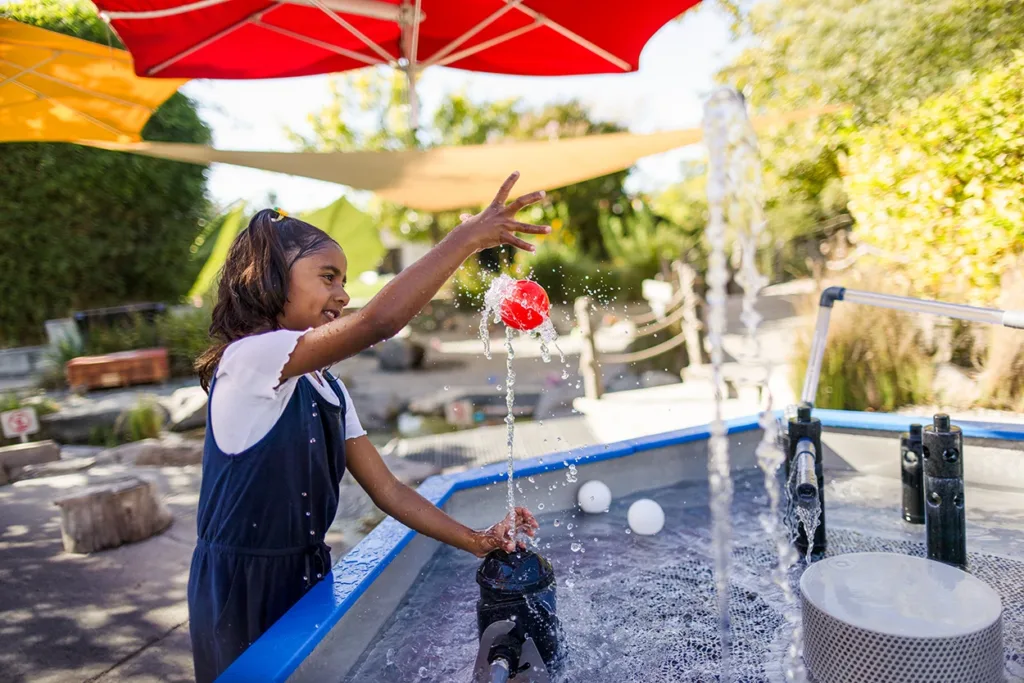
At the Children’s Museum of Sonoma County, we understand the importance of playtime for little learners. We invite you to visit us and see firsthand how play can help children grow, learn, and thrive!
Our TOTopia exhibit area is specifically designed for infants and toddlers, featuring engaging activities that focus on sensory exploration and motor skill development. Don’t forget to stop by our Family Resource Center to find free information and resources for families with young children. We also host free Sensory Friendly Afternoon events exclusively for children with sensory processing differences.
Sign up for our newsletter to be the first to learn about the latest news, happenings, and offerings at the Children’s Museum of Sonoma County!
Sign up for E-News!
References:
- Arjulayana, A. (2025). Sensory Play in Early Childhood Education: The key to stimulating the brain and creativity of young children. Journal of Gemilang., 2(3), 23–33. https://doi.org/10.62872/rtjsfx19
- First Things First. (2023, January 13). Brain development – first things first. https://www.firstthingsfirst.org/early-childhood-matters/brain-development/