Spanish
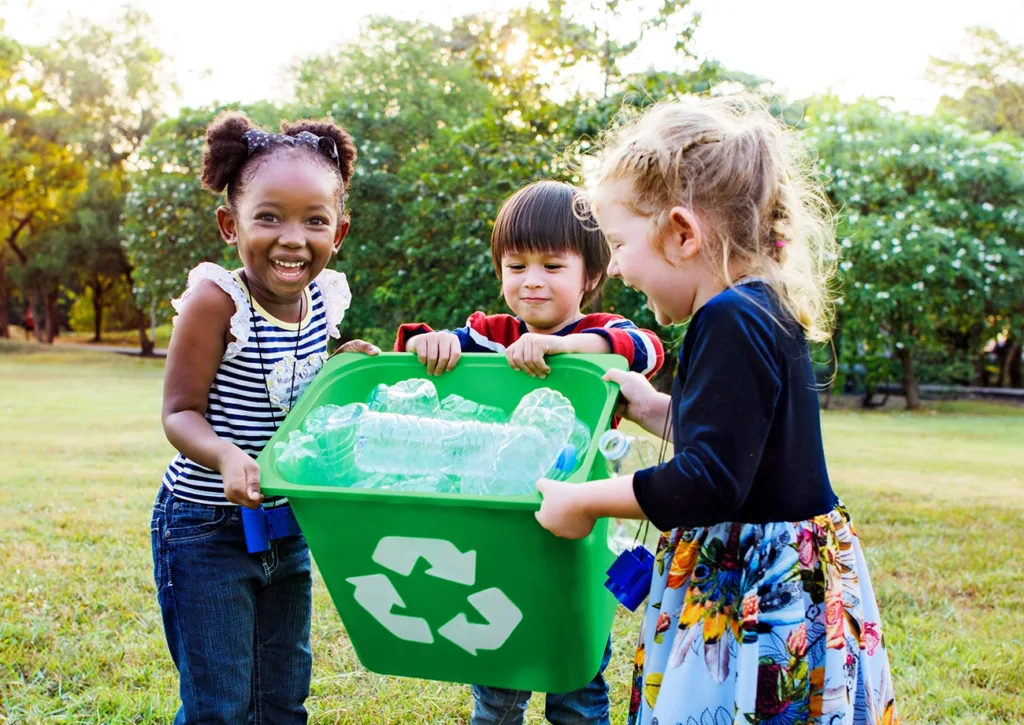
Teaching children about the importance of recycling is one of the easiest and most impactful ways we can help create a healthier planet for future generations. When kids learn how to recycle, they also learn about responsibility, conservation, and how even small actions can have a positive impact. This guide to recycling for kids is designed to make reducing waste and practicing good recycling habits as simple as possible.
So if you want to learn how to reduce, reuse, and recycle in Sonoma County, you’re in the right place!
What is Recycling?
Recycling is the process of turning old or used materials into something new instead of throwing them away in the trash. When we recycle, it’s like giving an item a second life, so we don’t need to use as many resources to make something brand new from scratch. Every time you recycle or reuse a glass jar or a paper bag, you’re helping reduce waste in landfills and protecting Earth’s natural resources.
For example: did you know that paper comes from trees? 🌳 Trees are cut down and made into paper products like cardboard boxes, paper towels, books, newspapers, paper bags, and more. However, when we recycle old paper, it gets used to make new paper products instead, so fewer trees need to be cut down.
Lots of materials can be recycled, including most things made of paper, plastic, glass, or metal. But we throw away lots of different kinds of things, and not all of them are recyclable or trash.
This is why it’s important to know how to sort different kinds of waste into the correct collection bin.
Recycling, Compost, and Trash Bins
To make sure trash, recycling, and other types of waste all go to the right place, we have to make sure we sort them into the correct bin. Knowing what goes where helps reduce waste, protect the environment, and make sure materials are handled correctly and safely.
In Sonoma County, we have 3 different colored bins to sort our waste into: the blue bin is for recycling, the green bin is for compost (organic waste), and the dark grey bin is for trash (landfill).
Blue:
Recycling Bin
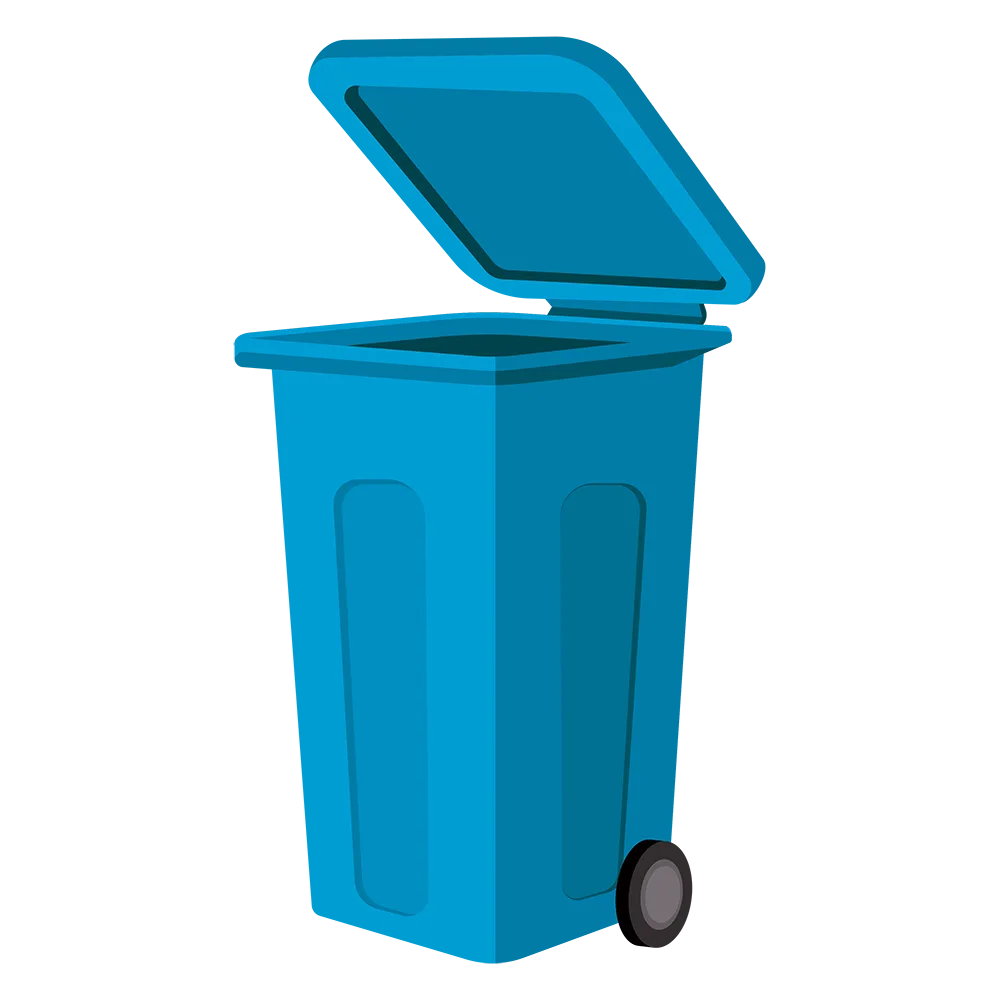
Recyclable items should be placed in the blue bin. This includes paper, cardboard, plastic bottles, glass jars, and metal cans. Instead of ending up in a landfill, these materials are collected, cleaned, and turned into new products.
Green:
Compost Bin
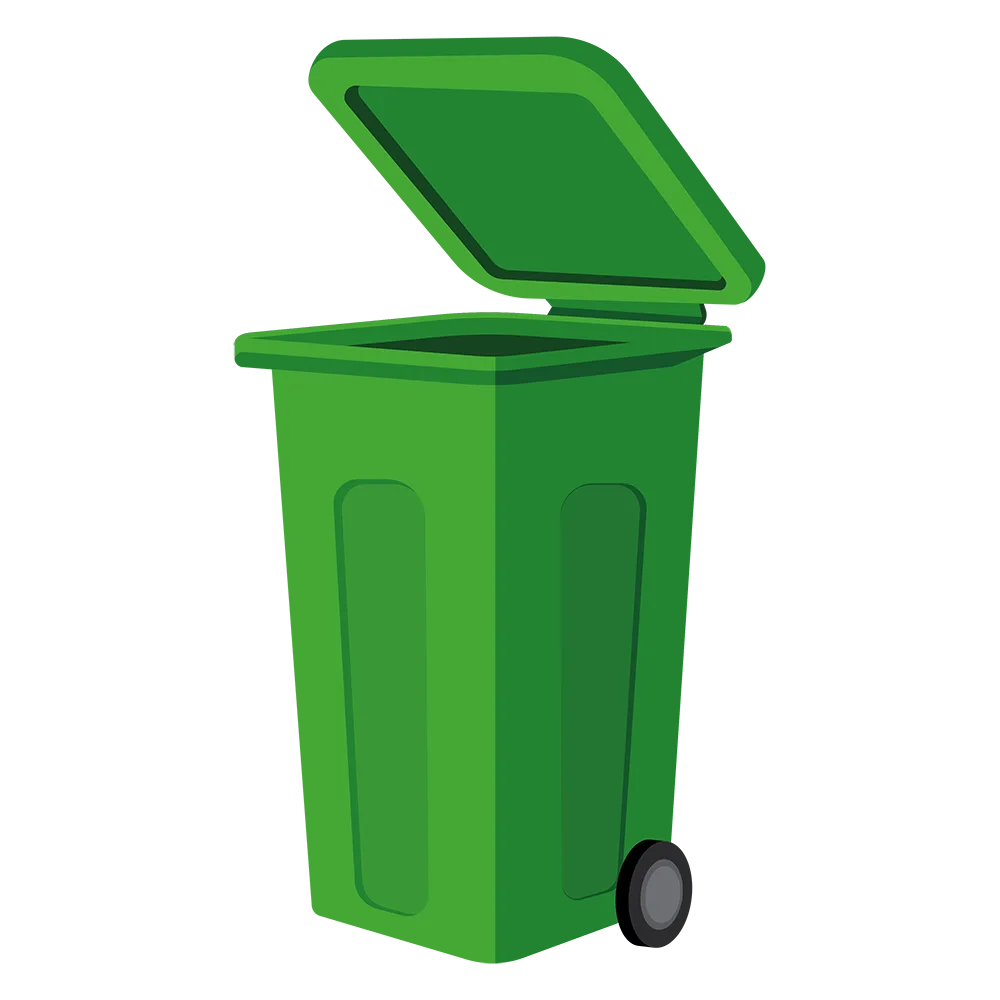
Food scraps, fruit and vegetable peels, coffee grounds, eggshells, and even grass cuttings all belong in the green compost bin. After this organic waste (compost) is collected, it is turned into nutrient-rich soil that is used on farms, vineyards, and public parks to help gardens and plants grow.
Grey:
Trash Bin
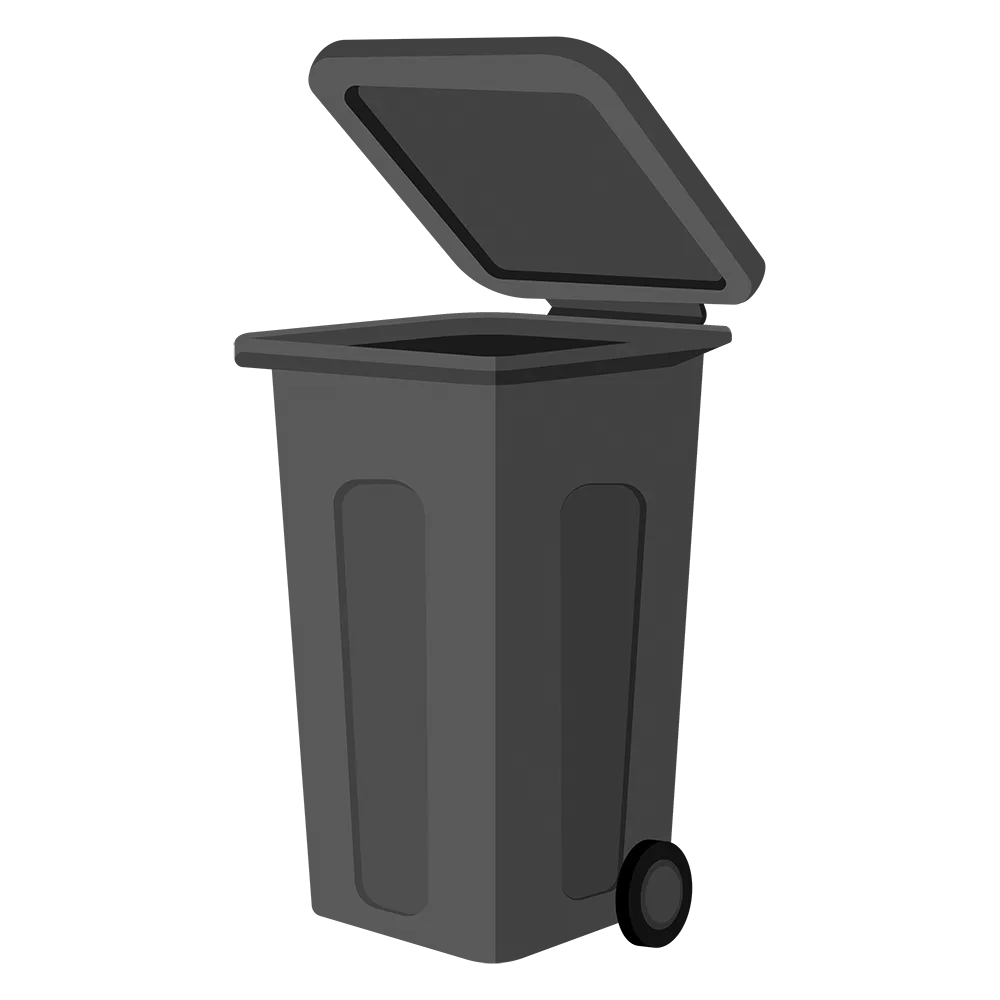
Any waste that cannot be recycled or composted goes in the grey trash bin. This includes things like single-use plastic straws, cutlery, and flimsy food wrappers. As well as any Styrofoam, greasy food containers or pizza boxes, and soiled paper towels, tissues, and napkins. All these things end up in landfills.
Once a week, on collection day, we move these three bins to the curb so they can be picked up by a Recology truck! The recyclables are taken to the appropriate facility, where they are cleaned and sorted to be turned into new products, compostables become rich soil, and trash is safely disposed of in landfills.
By learning which items go in your recycling bin, you can keep more waste out of landfills and help protect our natural resources and the environment.
Recycling Tips for Kids
Recycling can be fun and easy once you know the basics. With a little practice, kids of all ages can become recycling experts at home, at school, and even when out in the community.
Here are some simple tips to help make recycling an easy and effortless part of your daily routine:
️🗑️ Have Separate Bins Inside: Set up different color-coded containers for trash, recycling, and compost inside, so it’s easier to know what goes where when it comes time to take your bins to the curb.
🔍 Check Before You Toss: Not sure if something goes in the recycling bin? Ask an adult or look for the recycling symbol on the package.
🧽 Empty and Rinse Containers: Always dump out leftover food or drinks before putting bottles, cans, or jars into the recycling bin. A quick rinse keeps the recycling clean and ready to be processed.
📦 Flatten Boxes: Cardboard boxes take up a lot of space. Flattening them makes more room in the recycling bin and makes it easier for the recycling truck to collect.
❌ Don’t Bag Your Recycling: In Sonoma County, recyclable items should be loose in the blue bin, and never in plastic garbage bags. Plastic bags can jam the recycling machines and cause big problems.
♻️ Reduce and Reuse First: The best way to help the planet is to use less in the first place. Try reusing containers, water bottles, and shopping bags before recycling them. Recycling is important, but reducing waste and reusing items is even better!
What Goes in the Recycling Bin?
Understanding local recycling rules in Sonoma County makes it easier to turn it into a simple, effective routine. Knowing how to properly clean and prep recyclable materials is also an important part of learning about recycling for kids. A good general rule of thumb is to make sure anything you are recycling is empty, clean, dry, and unsoiled.
Here’s a quick overview of what can go in recycling, and how to prepare it:
Paper and Cardboard
Recyclable paper items include:
How to prep paper products for recycling:
Plastic
Recyclable plastic items include:
How to prep plastic for recycling:
Cans
Recyclable canned items include:
How to prep cans for recycling:
Glass
Recyclable glass items include:
How to prep glass products for recycling:
What Stays OUT of the Recycling Bin?
Knowing what NOT to put in your recycling bin is just as important as knowing what goes in! Items that are considered unacceptable for recycling are generally things that can jam up or damage the machines or materials that are considered hazardous.
Here’s a simple cheat sheet of things you should not put in recycling:
For a full list of items that are recyclable, visit the Recology Sonoma Marin website!
Create, Learn, and Play at the Children’s Museum of Sonoma County
Recycling may seem like a small act, but it’s an important skill that kids can carry with them through life. Learning good recycling practices in early childhood can also instill a lifelong appreciation for nature and the environment.
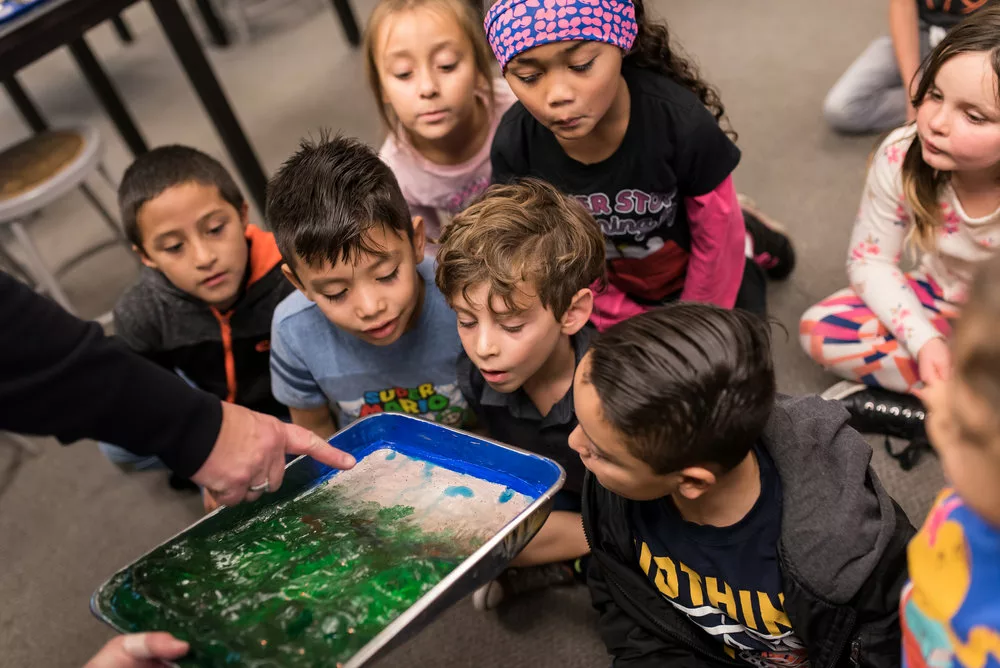
At the Children’s Museum of Sonoma County, we believe in the power of learning through play! That’s why we encourage kids to explore ways to reduce, reuse, and recycle through fun hands-on activities and creative programs. Join us for Creation Station every week in Ella’s Art Studio! This open studio time allows children of all ages to create open-ended art using all recycled and repurposed materials!
Become a Recycling Hero at the Sorting Station!
♻️ Exhibit Opening Spring 2026! ♻️
The Sorting Station is an interactive exhibit generously sponsored by Recology Sonoma-Marin! In this space, children can drive kid-sized waste collection trucks donning vests and construction hats, practice sorting materials into recycling, compost, or landfill, and more!
Subscribe to our newsletter and stay tuned for more updates and info about new exhibits at the Children’s Museum of Sonoma County!