Spanish

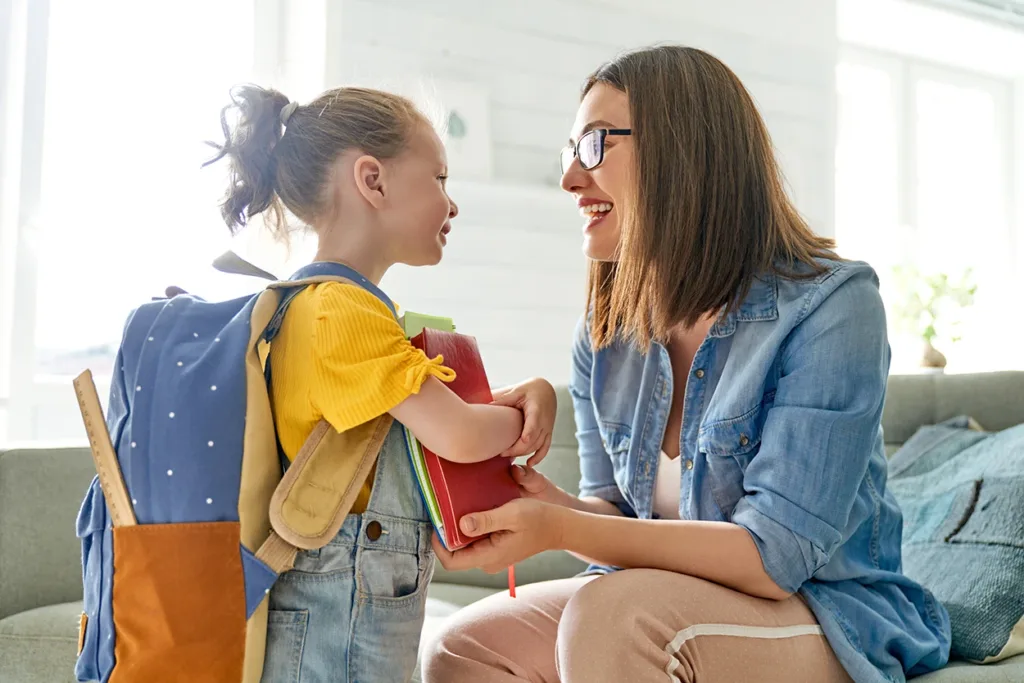
For many parents and caregivers and their little ones, drop-off can be one of the hardest parts of the day. Whether it’s daycare, preschool, kindergarten, or even camp, watching a child cry, cling, or beg you not to leave can be truly heart-wrenching. In these instances, it’s important to remember that separation anxiety is an incredibly common and normal part of early childhood development.
That said… No matter how normal it may be, it doesn’t make it any less distressing for either of you. Thankfully, for little ones who struggle with strong emotions like this, there are strategies to help them overcome separation anxiety at drop-off.
Read on to learn more about separation anxiety in toddlers and get tips on simple things you can do before, during, and after drop-off to make it easier and less stressful.
What is Separation Anxiety?
First things first, what is separation anxiety? Separation anxiety is the distress a child feels when they are apart from their parent, primary caregiver, or the person they feel safest with.
While every child experiences it differently, here are some common signs of separation anxiety that may appear around drop-off time:
Signs of separation anxiety can begin as early as 6 months old, peaking around 18 months, and gradually going away typically between 3-5 years old. This anxiety can be especially challenging while in unfamiliar environments, or during big transitions like starting preschool, daycare, kindergarten, or day camp.
However, the fear of the unknown, combined with a strong attachment to their caregiver, can fuel separation anxiety in children regardless of age.
Below, we provide tips to help ease the feelings of stress and anxiety at drop-off for both you and your kiddo.
Tips to Help Toddlers with Separation Anxiety Before Drop-Off
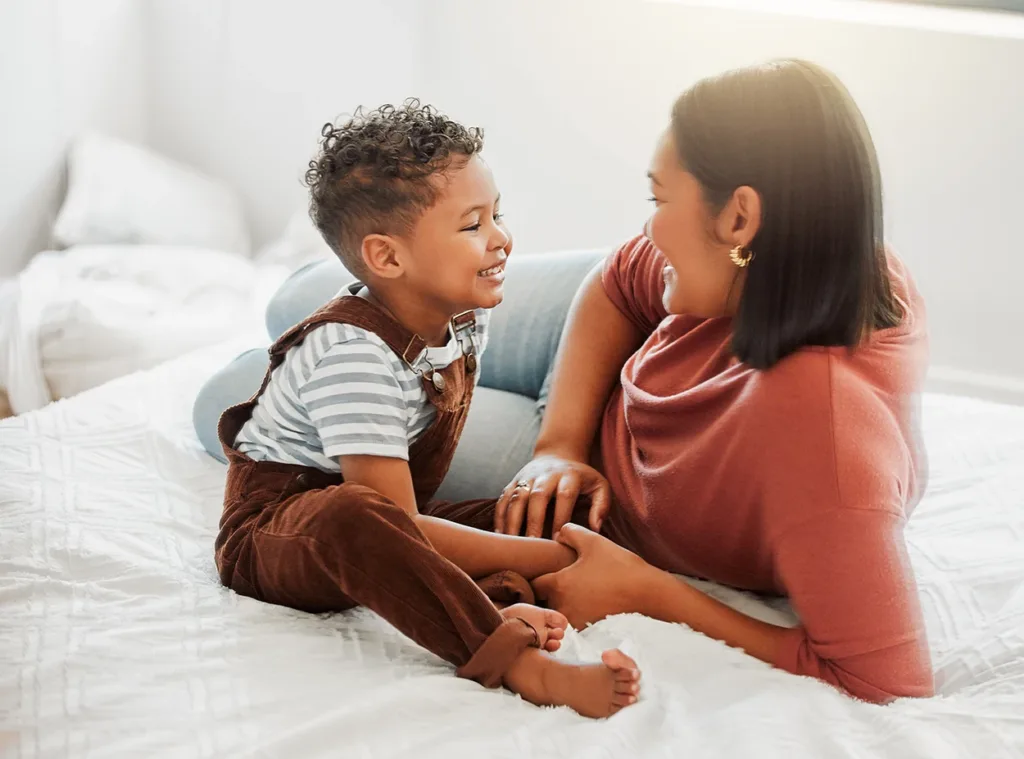
Most of the time, separation anxiety stems from not knowing what to expect, especially in an unfamiliar environment. A new setting, like a classroom, daycare, or even a playground, can feel overwhelming or unpredictable.
How you prepare ahead of time can make a big difference in how smoothly children adjust. Offering reassurance, building familiarity, and even practicing spending time apart can all help reduce separation anxiety in toddlers.
Here are some strategies to try before drop-off that can help toddlers with separation anxiety:
Talk About What to Expect
Before the big day, try talking openly and positively about where they are going and what will happen there. The goal is to make the experience feel exciting and familiar, not scary.
So, you might describe their teacher or camp counselor, the activities they’ll do, and the other children they’ll meet and make friends with. It can also be encouraging to talk about all the fun things they’ll get to do, like playing with new toys, reading new picture books, and creating fun arts and crafts projects.
Talking about what to expect can help build a positive association with this new place before they have ever been there.
Visit the Environment Ahead of Time
If possible, try to visit the location together before their first day. This might mean attending an orientation day at school, meeting the teacher or care provider, or simply walking by the building and pointing it out to them.
Even a little familiarity with a new environment or the people there can significantly reduce a child’s anxiety about being somewhere without you.
Practice Short Separations at Home
Gradually introducing a child to short periods of separation can be incredibly helpful in preparing them for drop-off. It’s usually best to start these “practice runs” at home, because it allows your little one to adjust without the overwhelming change of a new environment.
Try having a trusted family member or friend watch them while you’re in a different room. You can start with very brief periods of time and gradually increase it. This helps toddlers understand that when you leave, you always come back, which can help ease separation anxiety over time.
If they become anxious during these practice sessions, the caregiver should offer calm reassurance that they are safe and that you’ll return soon. When you come back, praising their bravery during these moments can help build their confidence.
Tips to Combat Separation Anxiety During Drop-Off
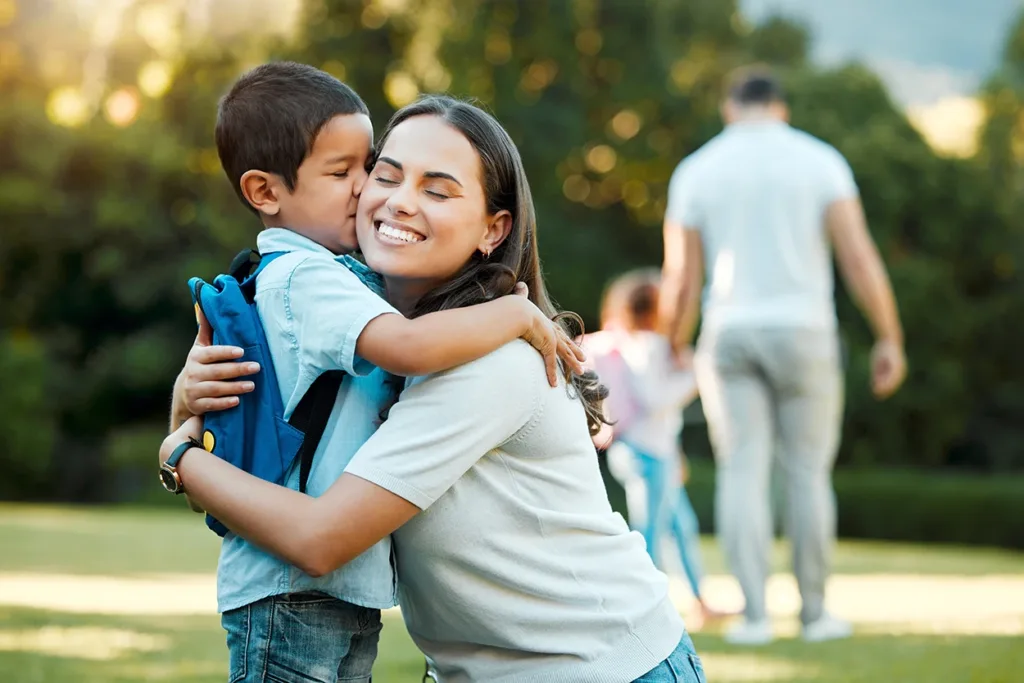
No matter how much you try and prepare, drop-offs can still be tough even for the bravest youngsters. This is normal. The key is to remain calm and consistent throughout the process and offer plenty of reassurance.
To help ease stress during drop-off for both of you, here are some simple strategies to consider:
Let Them Bring a Comfort Object
A familiar item from home can be a powerful source of emotional support for toddlers. This could be a favorite stuffed animal, a soft blanket, a small toy, or even their favorite picture book. Allowing a child to bring something they associate with the comforts of home can ease their anxiety and make new places and routines feel less scary.
Before their first day, check with their teacher or care provider to confirm that comfort items are allowed. If they are, make sure to label the item clearly in case it is misplaced.
Never Sneak Away
The idea of slipping out unnoticed when your little one is distracted might seem easier in the moment, but sneaking away during drop-off can actually make separation anxiety worse.
From a toddler’s perspective, it can feel like you just *poof* vanished, which is understandably even more frightening. Plus, leaving without letting them know can erode their trust—including the belief that when you leave, you always come back.
Instead, say a clear, loving goodbye, even if they are upset. The routine of saying goodbye every time and always coming back builds a stronger sense of security in the long run.
Keep Goodbyes Lovingly Short
When it is time to say goodbye, it’s natural to want to stay and comfort a child if they are anxious or upset. But as hard as it is, prolonging leaving can actually make separation harder for both of you. Long, drawn-out goodbyes can give little ones more time to work themselves up and can even reinforce the idea that your leaving is something to fear.
Instead, stick to a simple, loving goodbye routine. A big hug, a kiss, and a cheerful “I love you, I’ll be back soon!” is often all it takes. Your calm, positive demeanor helps reassure them that everything is okay and they are safe. With consistency, toddlers can develop their own sense of security.
Tips to Help Toddlers with Separation Anxiety After Drop-Off
Drop-off is just one piece of the puzzle. What you do after you leave is equally important in supporting a toddler’s adjustment and building long-term confidence. It’s about strengthening their sense of security when you’re not there and their independence overall.
Here are some tips on how to continue helping a toddler overcome separation anxiety after drop-off:
Check In with the Teacher
Your child’s teacher or daycare provider is going to be your best partner in understanding how they are adjusting after you leave. Take some time at pick-up to check in with them to get regular updates on how your little one is doing.
It can be helpful to know things like how long it takes for them to calm down after you leave, the activities that they enjoyed the most, and if anything seems to trigger their anxiety throughout the day.
This insight can help you monitor your child’s progress and quickly identify any signs of concern, allowing you to seek professional guidance and support if needed.
Keep Your Drop-Off Routine Consistent
Having a consistent drop-off routine can also be a big help in overcoming separation anxiety. Toddlers often thrive in routines. Following the same sequence of events each time you leave helps them understand what to expect, which can ease any anxiety.
The predictability of this routine can be comforting and helps remind them that they are safe even after you have left. Staying consistent reinforces the understanding that you will always come back, and even if some days are harder than others, they are still going to be okay.
Practice Independence Skills at Home
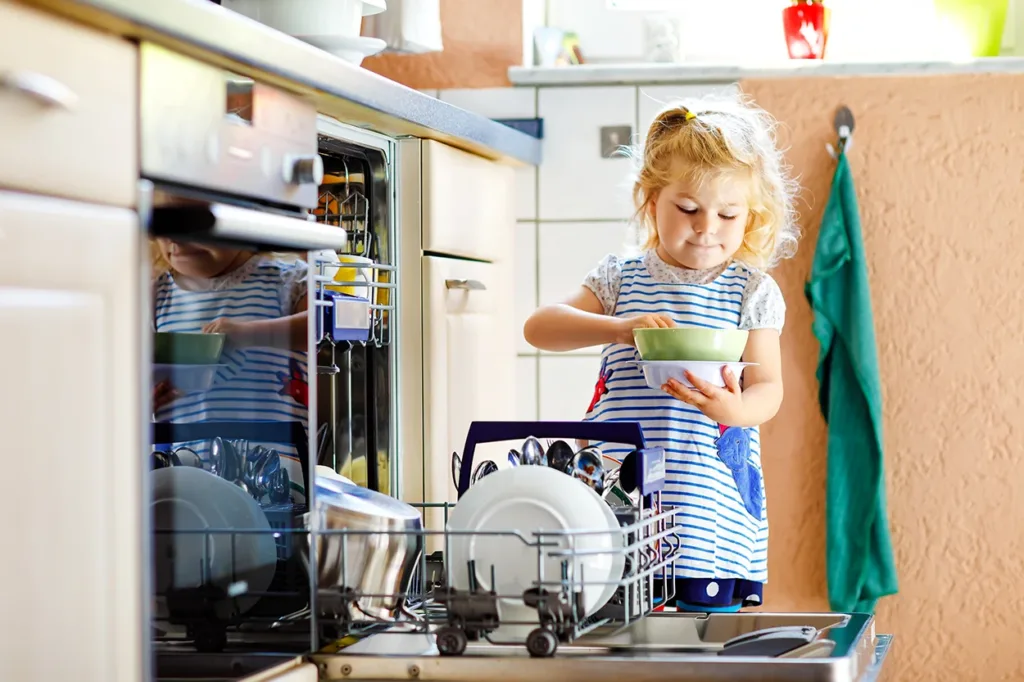
Nurturing independence skills at home is another powerful way to support your toddler’s ability to cope with separation anxiety. Offering small opportunities where they feel capable and proud of themselves is a great way to build their self-confidence.
This may look like letting them choose what shirt to wear, helping pack their lunch, or putting their dishes in the sink all on their own. These small acts of self-reliance can help build confidence in their own abilities and foster a stronger sense of independence.
The more you help them become comfortable doing things on their own at home, the better equipped they’ll be at navigating new situations independently without fear.
Navigating separation anxiety is a common part of early childhood development. With consistency, emotional support, and a bit of practice, toddlers can absolutely learn to overcome it. Remember, it’s about progress, not perfection, and even the smallest steps can benefit them far beyond their preschool years.
Find More Resources on Early Childhood Development at The Children’s Museum

For more resources and hands-on learning opportunities that support early childhood development, we invite you to visit the Children’s Museum of Sonoma County! Our interactive exhibits provide endless opportunities for children of all ages to create, learn, and thrive. We also host a variety of creative learning programs throughout the week that are free for all museum visitors.
Looking for more opportunities to enrich your child’s development? Explore our Spring and Summer Wonder Camps at the Children’s Museum of Sonoma County! These immersive, nature-based day camps are the perfect way to keep little learners active and engaged during school breaks.
Learn more and register for an unforgettable Wonder Camp experience at the Children’s Museum of Sonoma County today!