Spanish



Play might look like simple fun and games, but it’s actually one of the most important ways children learn and grow. Playtime naturally allows kids to test their abilities, problem-solve, interact with others, and explore the world around them.
While all play offers valuable learning experiences, different types of play offer unique opportunities for children to develop different types of skills. Coloring, climbing, building, pretending, and taking turns all give young learners opportunities to develop different physical, cognitive, social, and emotional skills.
But what are some examples of different kinds of play, and how do they support a child’s development?
Below, we explore several types of play every child needs and the unique developmental benefits they can offer:
1. Free Play: Encouraging Independence and Creativity
Free play is a form of unstructured, self-directed play that encourages children to choose what they do, which toys or materials they use, and how they use them. This can mean playing alone or involve several children playing alongside one another, each choosing their own activities without needing to follow a shared plan or goal.
During free play, the adult is responsible for providing a safe environment and supervising from a distance but should generally allow children to guide themselves. This gives kids the freedom to make independent choices, follow their curiosity, experiment, and practice keeping themselves entertained.
Benefits of Free Play:
- Builds Independence: Free play allows children to experience the process of choosing for themselves, helping them develop confidence in their judgment and become more comfortable with self-directing.
- Encourages Creativity: Because free play has no fixed rules or expected outcomes, children can let their imaginations run wild, explore new ideas, and freely express themselves.
- Practice Problem-Solving: When children encounter obstacles during free play, figuring out why something isn’t working and trying alternative approaches helps them practice reasoning, considering possibilities, and finding solutions.
- Executive Function Development: Self-directed play helps lay the groundwork for developing key executive function skills like planning, self-regulation, working memory, and focusing for extended periods of time.
Free Play Experiences at the Children’s Museum of Sonoma County
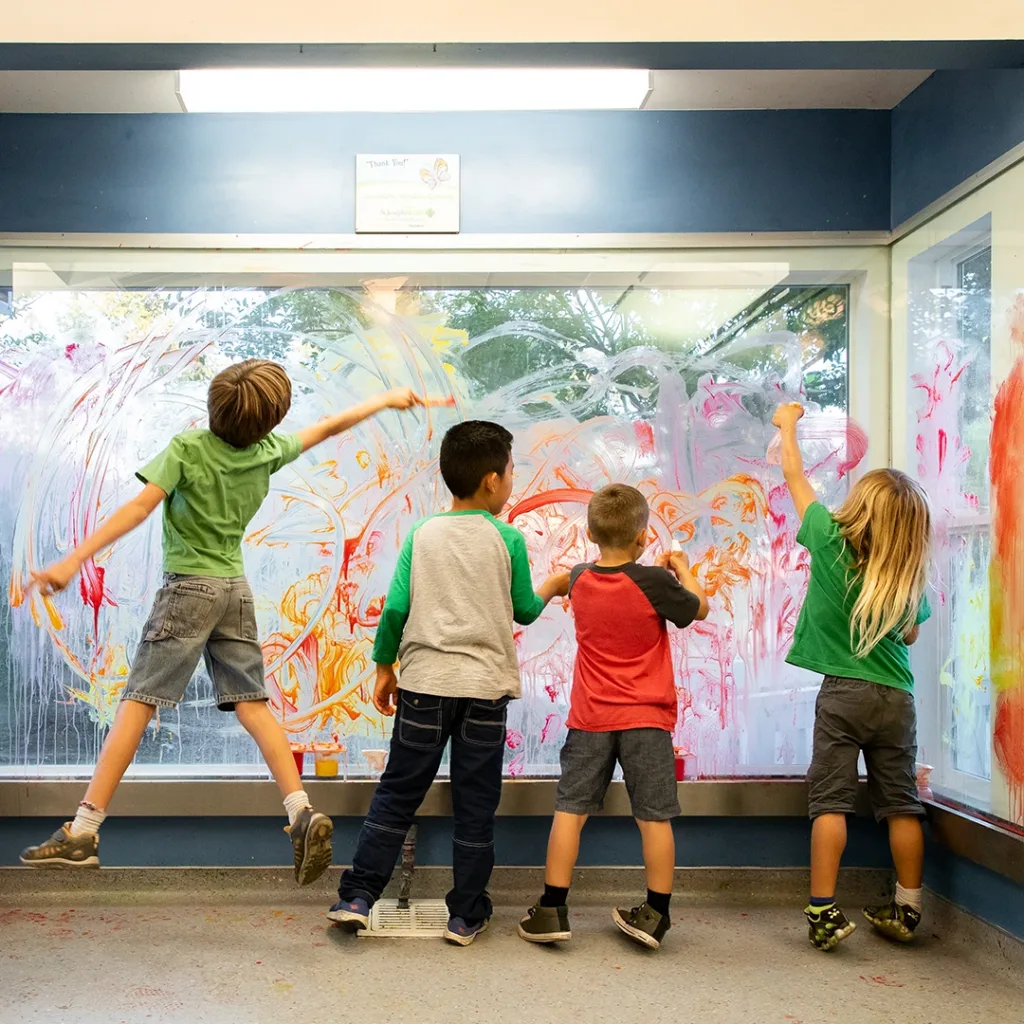
At the Children’s Museum of Sonoma County, we offer tons of opportunities for free play!
Ella’s Art Studio is an open creative space where kids use raw art materials to make whatever their imaginations can dream up.
With no right or wrong way to participate, children can play at their own pace, experiment with different tools and materials, and discover new ways to express their creativity.
2. Structured Play: Building Life-Long Learning Skills
Structured play is any type of activity, game, or project that has instructions, rules, or steps that a child needs to follow to achieve a specific goal or outcome. Common examples of structured play include board games, puzzles, science experiments, recipes, and step-by-step craft projects. It can also involve simple activities like sorting objects by color or matching shapes, as well as organized sports or team activities like T-ball or tag.
Structured play is a fun and engaging way to help children learn new skills, practice following instructions, and work toward a goal without making it feel like a formal lesson. Through guided games and activities, kids naturally learn how to follow directions, take turns, solve problems, and manage frustration when things do not go their way.
Benefits of Structured Play:
- Introduces Early Learning Skills: Structured activities can help children practice early learning skills like counting, sorting, matching, recognizing shapes, and identifying patterns.
- Encourages Active Listening: Following instructions, responding to questions, and taking turns during guided activities encourage children to pay attention to what others are saying and put it into action.
- Builds Concentration Skills: Structured play offers a fun way for children to practice staying focused on one activity and seeing it through to completion.
- Confidence Building: Completing a project or figuring out how to follow a set of instructions can give children a sense of accomplishment and help them feel more confident in their abilities.
Structured Play Experiences at the Children’s Museum of Sonoma County
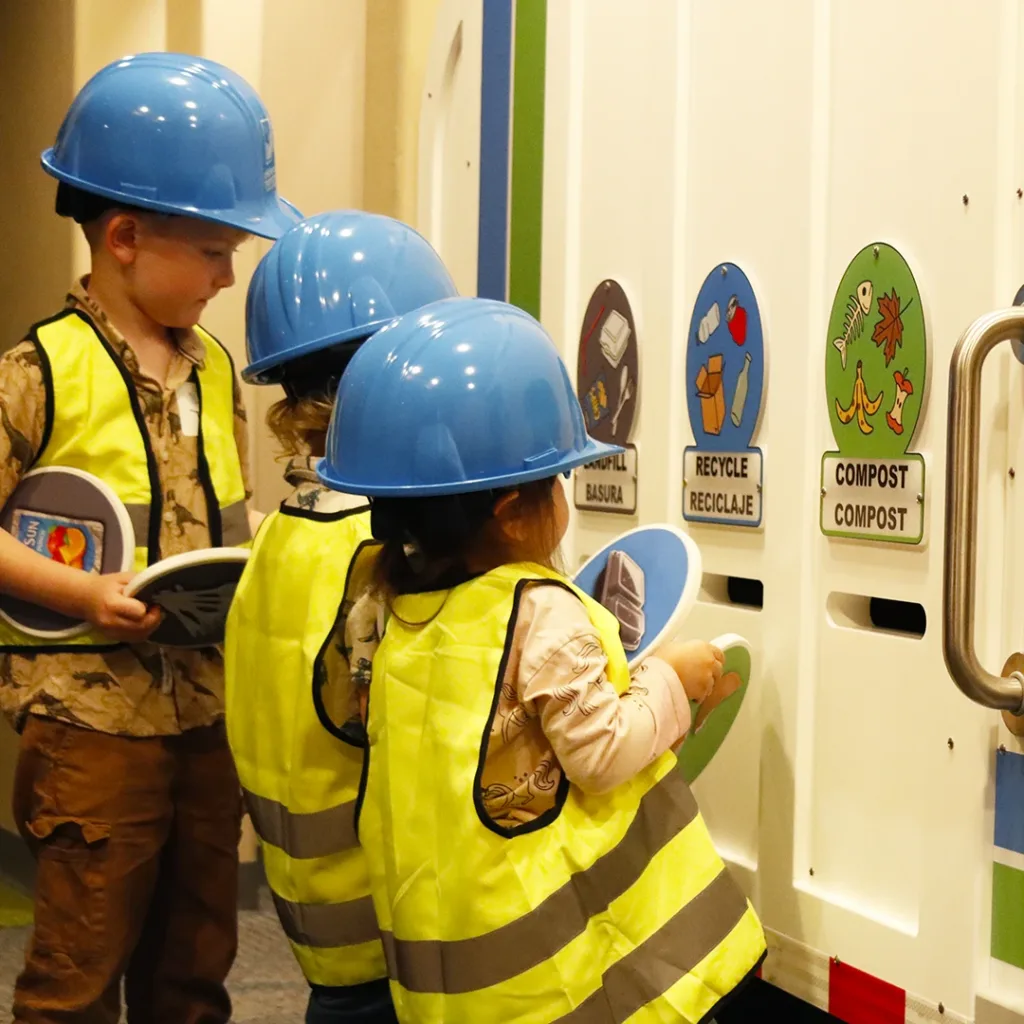
The Children’s Museum offers a variety of structured play opportunities through our guided activities, educational programs, and interactive exhibits.
At our Sorting Station exhibit, children learn about the importance of working together while having fun sorting trash, recycling, and compost disks into the right collection slots.
Experiences like this give children a chance to practice following instructions, focusing on completing a clear goal, and learning by doing.
3. Sensory Play: Learning About the World Through the Senses
Sensory play is any type of activity that engages one or more of a child’s senses: sight, sound, touch, taste, and smell. Through sensory play, children get to experience different textures, colors, sounds, smells, and sensations, helping them learn about the world around them in a hands-on way.
Activities like playing with water, sand, mud, or playdough all give children opportunities to squeeze, scoop, pour, and explore different sensory experiences. Finger painting, playing with musical instruments, and cooking together are other fun examples of sensory play. Even everyday activities like splashing in the bathtub, listening to music in the car, or playing outside and feeling different surfaces under their feet can provide children with valuable sensory experiences.
As children play, this sensory information helps them learn to recognize differences, make connections, and better understand the world around them.
Benefits of Sensory Play:
- Early Sensory Exposure: Exploring different textures, sounds, smells, tastes, and visual experiences allows children to become familiar with a variety of sensory information and helps them learn how to recognize and make sense of their surroundings.
- Language Development: Describing what they see, hear, touch, and feel during sensory activities helps children connect words to experiences, expand their vocabulary, and practice communicating their observations.
- Fine Motor Development: Squeezing playdough, picking up small objects, pouring water, and scooping sand all help strengthen the small muscles in the hands and fingers, which support skills like holding a pencil, eating with a spoon or fork, buttoning a coat, and using scissors.
- Encourages Emotional Regulation: Soothing sensory activities like squeezing soft materials, playing in warm water, or exploring calming textures can provide soothing experiences that can help children work through big or overwhelming feelings.
Sensory Play at the Children’s Museum of Sonoma County
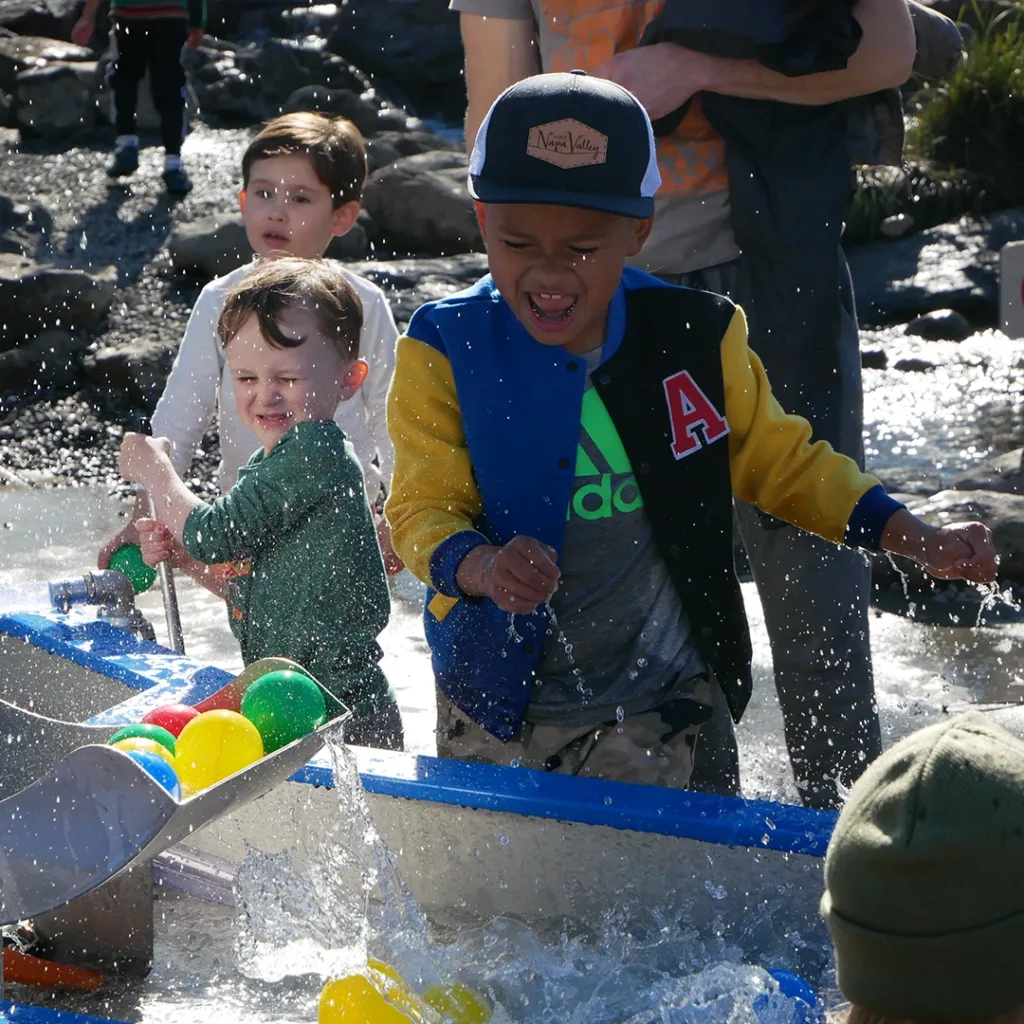
At the Children’s Museum of Sonoma County, you can find endless opportunities for sensory exploration.
In our outdoor exhibit area, Mechanical Waterways 2.0 lets kids splash, pour, and scoop water, and feel the temperature, texture, and movement with their hands.
This not only encourages children to experiment and explore the wonders of water but also stimulates the senses and supports essential cognitive development.
4. Physical Play: Developing Strength, Coordination, and Balance
Physical play is any type of play that gets children moving and using their bodies. This can include activities that involve large movements like running, jumping, climbing, dancing, and riding a tricycle, as well as smaller movements like drawing, stacking blocks, and squeezing playdough.
These activities help children learn how their bodies move, build strength, and develop better control over their movements. As they run, climb, balance, reach, and explore, children develop physical skills that help them become stronger and more capable of performing essential daily tasks independently.
Benefits of Physical Play:
- Builds Strength and Endurance: Active play gets hearts pumping and muscles working, which supports healthy growth and helps build strong bones.
- Improves Balance and Coordination: Activities like hopping, skipping, throwing, and catching challenge children to control their movements, maintain their balance, and coordinate different parts of their bodies.
- Gross Motor Skill Development: Movements like walking, running, jumping, climbing, and kicking help children practice using the large muscles in their arms, legs, and torso, which supports gross motor skill development.
- Encourages Spatial Awareness: Moving around obstacles, navigating play spaces, and judging how far to reach or throw helps children develop a better understanding of where their bodies are in relation to objects, people, and the space around them.
Physical Play Experiences at the Children’s Museum of Sonoma County
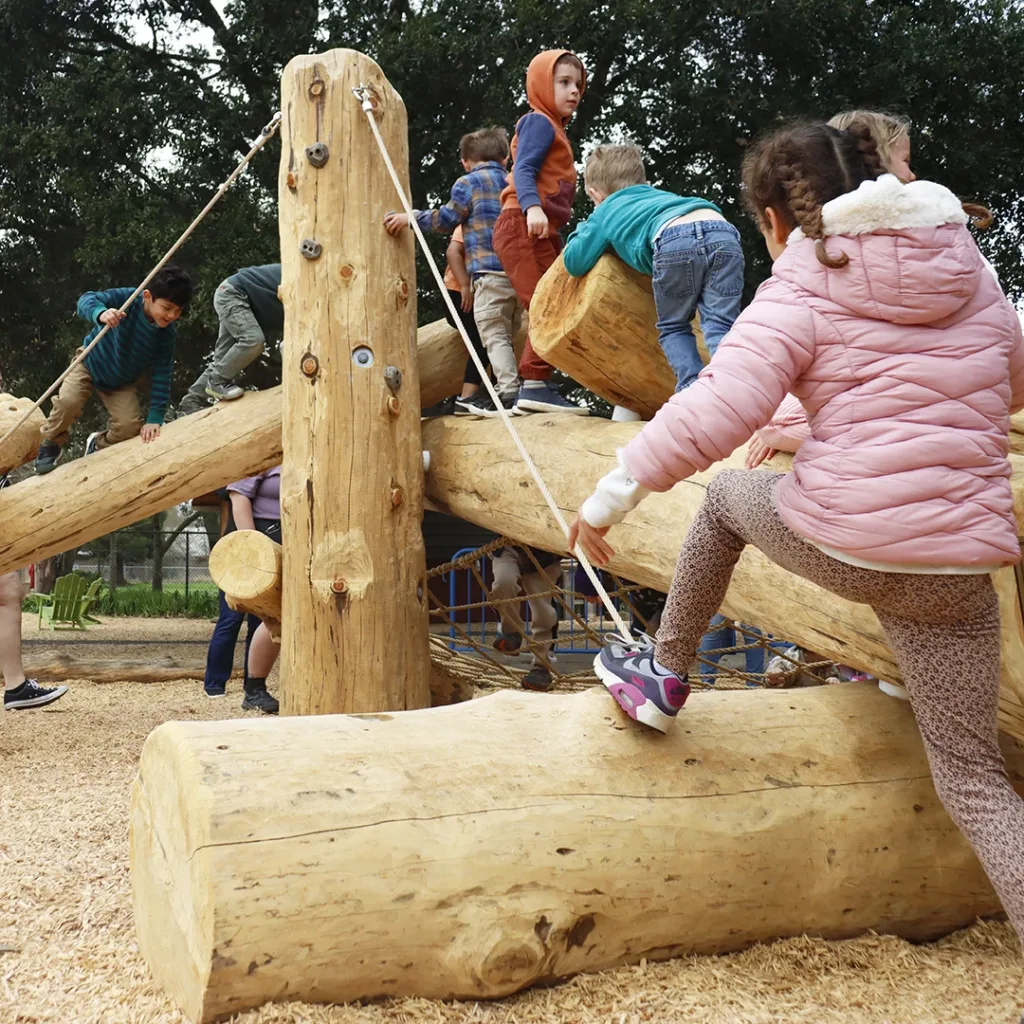
Movement is woven into many of the experiences at the Children’s Museum.
Our Mega Flora and Loggerton exhibits are large-scale wooden structures that invite kids to climb, crawl, and balance.
Through fun physical play experiences like this, children can build strength, coordination, and spatial awareness.
5. Constructive Play: Practicing Fine Motor Skills and Problem-Solving
Constructive play involves fun and engaging activities where children use different materials to build or create something. This might involve stacking blocks to build a tower, putting a puzzle together, or building with LEGO® bricks. Building a fort out of couch cushions, shaping a sandcastle, and making a creation out of playdough are all great examples of constructive play as well.
Constructive play encourages children to use their hands, think creatively, and experiment with trial and error as they figure out how things fit together and test different designs.
Benefits of Constructive Play:
- Fine Motor Skill Development: Constructive play helps children develop dexterity, hand-eye coordination, and hand and finger strength needed for everyday tasks like writing, tying shoes, buttoning clothes, and using utensils.
- Practice Problem-Solving: When a structure falls over or pieces don’t fit together, it encourages children to identify the problem, consider different methods, and adjust when something doesn’t work.
- Builds Spatial Reasoning: Arranging pieces together and building structures helps children understand shapes, sizes, and how things fit together in different spaces.
- Intro to STEAM Learning: Building, designing, and experimenting with different materials gives children a hands-on way to explore early concepts related to science, technology, engineering, art, and math (STEAM).
Constructive Play Experiences at the Children’s Museum of Sonoma County
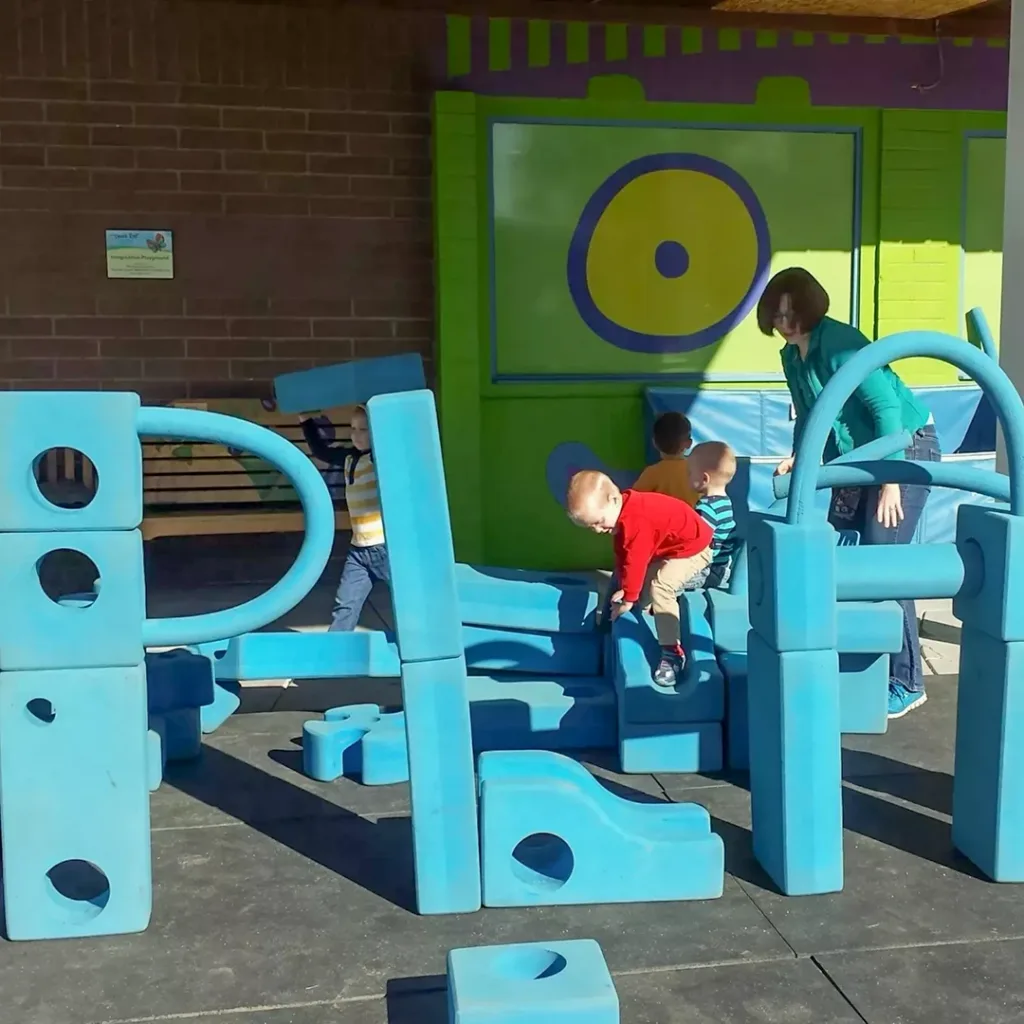
Children can put their creativity and problem-solving skills to work through tons of hands-on activities at the Children’s Museum.
Our Imagination Playground is filled with big, movable building pieces that kids can stack, connect, and rearrange into their own creations.
This helps children strengthen fine and gross motor skills while exploring early STEAM concepts like planning, testing, and problem-solving.
6. Pretend Play: Encouraging Creativity and Emotional Intelligence
Pretend play, sometimes called imaginative or make-believe play, is when children use their imagination to act out made-up scenarios or stories. They can dress up and pretend to be different people, professions, animals, or imaginary creatures, and create imaginary worlds using toys, costumes, props, and everyday objects.
Pretend play gives children the opportunity to explore their interests in creative ways, practice storytelling and language skills, and even learn to recognize and process big emotions.
Benefits of Pretend Play:
- Encourages Creativity and Imagination: When children pretend to be different characters, invent imaginary worlds, or create their own stories, they can explore ideas beyond their everyday experiences and experiment with different ways of creative thinking.
- Develops Language Skills: As children pretend to be different characters and create imaginary conversations, they practice using new words, forming sentences, telling stories, and expressing their thoughts.
- Builds Emotional Intelligence: Acting out different situations and exploring a range of emotions through imaginary characters can help children recognize feelings, understand emotional responses, and find ways to express themselves.
- Empathy Development: By pretending to be different characters and acting out situations involving others, children can practice putting themselves in someone else’s shoes, helping them understand and empathize with how others might feel.
Pretend Play at the Children’s Museum of Sonoma County
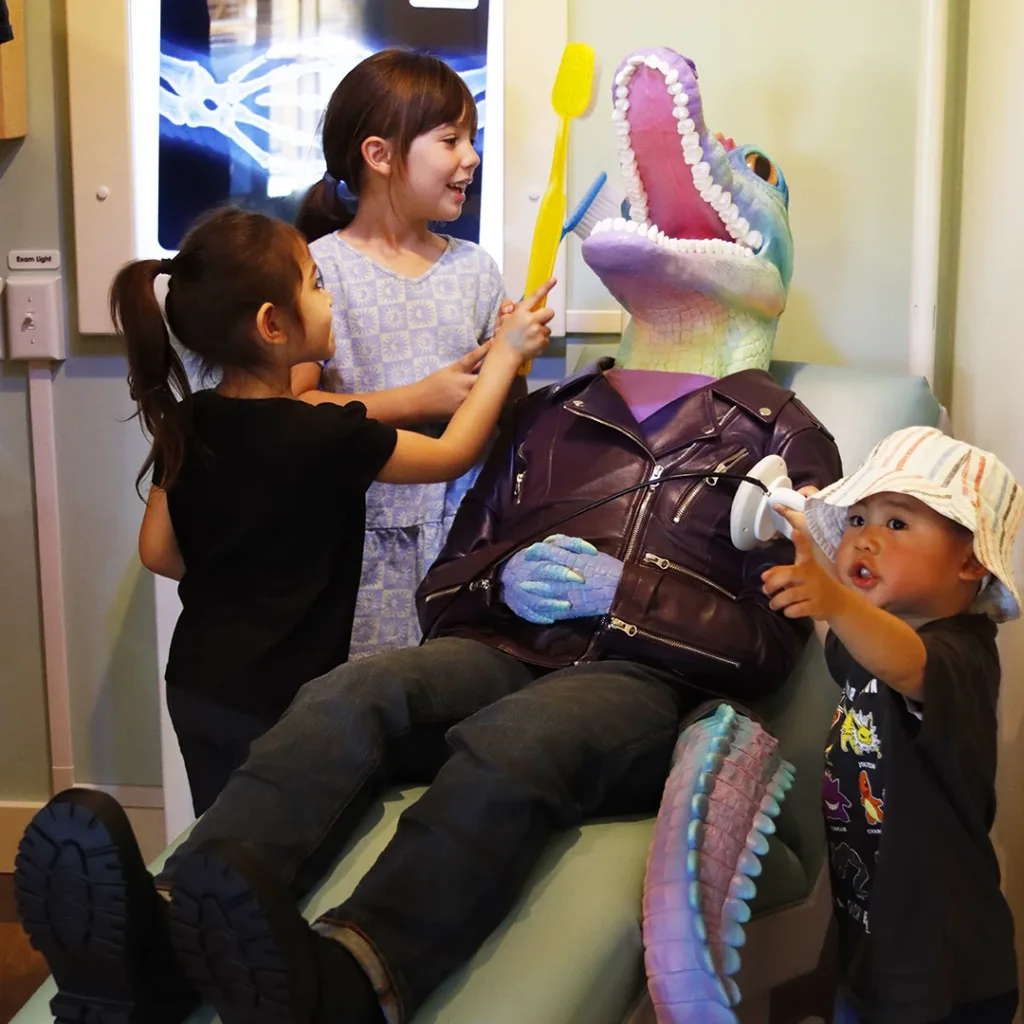
Pretend play is another important part of many of the exhibits and experiences at the Children’s Museum of Sonoma County. In our Dino Dental Lab, children can step into different roles, like pretending to be a dentist or a patient.
This kind of role-playing can help young kids feel more confident in similar real-life scenarios like going to the doctor or dentist for a check-up.
These kinds of interactive spaces also encourage communication and language building as children talk through what they’re doing and collaborate on imaginative stories together.
7. Social Play: Learning to Connect and Collaborate
Social play is any kind of play where children interact with other people, whether that’s a parent, a sibling, a classmate, or other kids. Instead of playing alone, children share the activity, the materials, the space, and the fun.
Social play can look like many things, and as children grow up, the way they interact during play often changes. Toddlers may enjoy being around other kids their age without necessarily playing directly with them. Meanwhile, older children start sharing ideas, taking turns, making up games together, and working toward common goals.
Over time, social play often includes playing games with more elaborate rules or competitive team sports, where kids need to work together, play fairly, and practice good sportsmanship whether they win or lose.
Benefits of Social Play:
- Teaches Teamwork: When children work together to build something, complete a group activity, or play a team game, they learn how to coordinate their efforts, contribute ideas, and work toward a shared goal.
- Builds Social Skills: Social play can help children become more comfortable with recognizing social cues, respecting boundaries, and navigating different social situations.
- Develops Communication Skills: Talking about ideas, explaining rules, asking questions, and listening to others during social play can help children become more confident in expressing themselves and communicating with others.
- Practice Sharing and Turn-Taking: Social play encourages children to consider others, practice patience while taking turns, and balance their own wants with what other children want.
- Teaches Conflict Resolution: Disagreements are a natural part of playing with others, and healthy opportunities for children to practice solving conflicts on their own.
Social Play Experiences at the Children’s Museum of Sonoma County
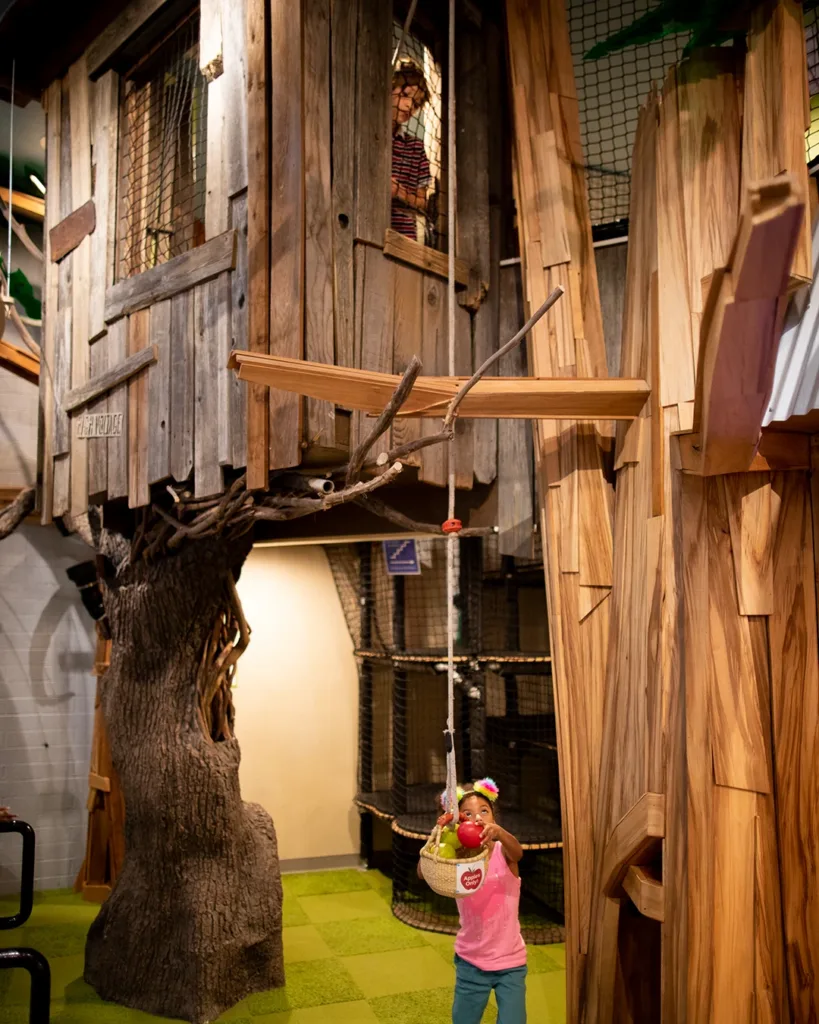
At the Children’s Museum of Sonoma County, kids of all ages and stages of learning are invited to play alongside their peers, meet new friends, and participate in shared activities.
Our Apple Tree House is a multi-story exhibit that requires teamwork to move apples through the levels.
This encourages kids to practice communicating and shows them how to work together to achieve a shared goal.
Experience the Power of Play at the Children’s Museum of Sonoma County!
At the Children’s Museum of Sonoma County, we understand the importance of playtime for little learners. All our interactive exhibits and educational programs are thoughtfully designed to align with how young children learn best: through fun exploration and hands-on discovery!
Visit the Children’s Museum and see firsthand how play can help children grow, learn, and thrive!
Sign up for our newsletter to be the first to learn about the latest news, happenings, and offerings at the Children’s Museum of Sonoma County.